Humans Lived in Côte d'Ivoire 150,000 Years Ago
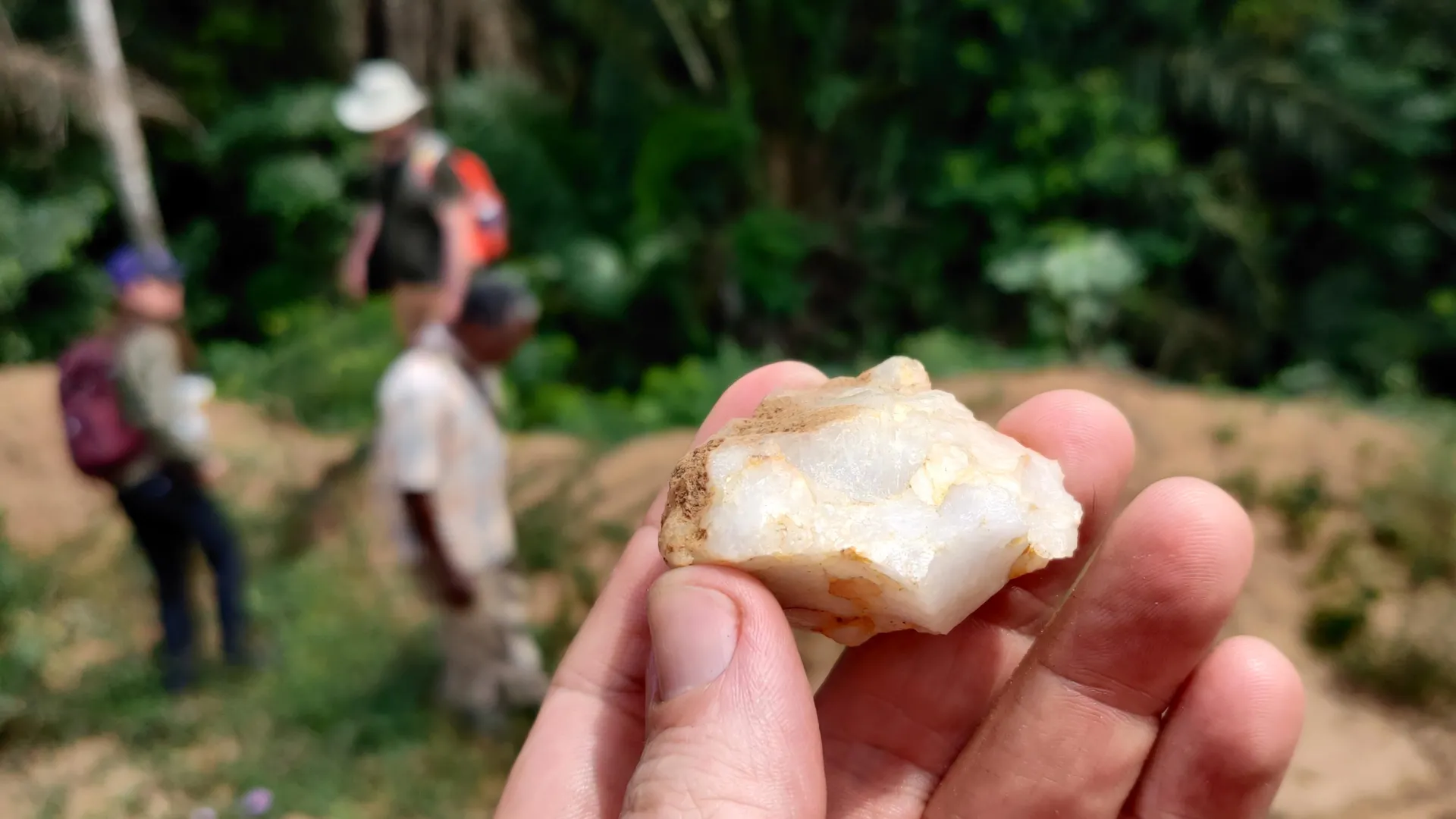
Why this is here: Stone tools discovered at Bété I were buried so deep that researchers could not accurately date them until recently, revealing human presence 150,000 years ago.
Researchers from the Max Planck Institute of Geoanthropology announced evidence that humans inhabited a rainforest in present-day Côte d'Ivoire roughly 150,000 years ago. The team re-examined a site initially investigated in the 1980s, using modern dating techniques to analyze stone tools buried underground. Analysis of pollen, plant structures, and chemical traces confirmed a heavily forested environment during the period of human occupation.
This discovery more than doubles the previously known age of the oldest evidence for human life in African rainforests. Before this, the oldest confirmed evidence dated to around 18,000 years ago. The findings suggest early Homo sapiens were more adaptable to diverse environments than previously understood, thriving in wet tropical forests.
However, rainforest archaeology presents unique challenges. Fossils rarely survive in humid climates, and dense vegetation complicates excavations.
The original site has also been destroyed by mining, making the recovered data even more crucial. Scientists suspect many older rainforest sites remain undiscovered in Africa, and further research will explore how early humans may have impacted these ecosystems.
Surfaced by the Discovery lens — one of the vital signs ovr.news reads.
How we evaluated this
AI summary
read the original for the full story — Read on sciencedaily.com . How we work →