PCOS Renamed Polyendocrine Metabolic Ovarian Syndrome
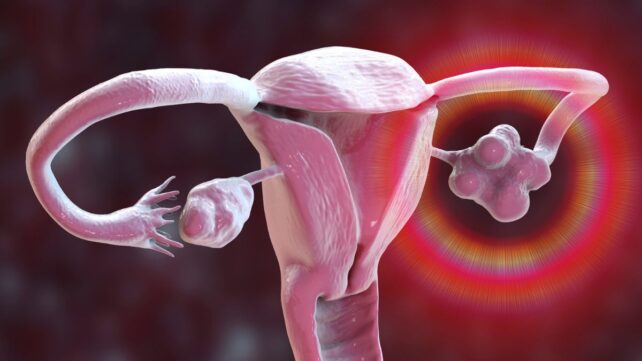
Why this is here: The original name, Polycystic Ovary Syndrome, stemmed from a 1935 observation of enlarged ovaries with “cyst-like structures,” but current understanding shows these are typically undeveloped follicles, not unique to the condition.
A global consortium of experts, patients, and advocates now recommends renaming Polycystic Ovary Syndrome to Polyendocrine Metabolic Ovarian Syndrome (PMOS). The change was announced at the European Congress of Endocrinology in Prague after fourteen years of collaborative work. The group, led by Verity, Monash University, and the Androgen Excess and PCOS Society, determined the original name inaccurately focused on ovaries and obscured the condition’s wider effects.
The previous name originated in 1935 with surgeons Irving Stein and Michael Leventhal, who linked ovarian “cysts” to infertility. Later research revealed these weren’t cysts at all, but undeveloped follicles, and aren’t present in all patients. Roughly 170 million people worldwide live with the condition, yet up to 70 percent remain undiagnosed.
The consortium will spend the next three years advocating for the new name with international health organizations like the World Health Organization. Though there is no known cure, recognizing the metabolic component of the syndrome may improve screening for related conditions like insulin resistance, which affects about 85 percent of patients. The work to improve diagnosis and care continues.
Surfaced by the Thriving lens — one of the vital signs ovr.news reads.
How we evaluated this
AI summary
read the original for the full story — Read on sciencealert.com . How we work →