Historian uncovers explorer’s early embrace of cultural respect
Summary and headline written by AI from the source article. How we work
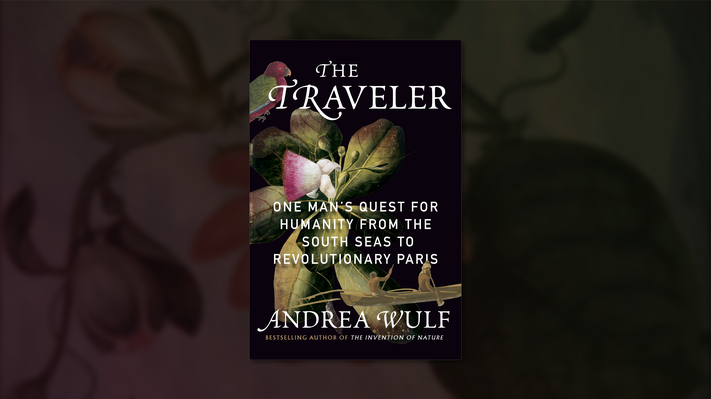
Andrea Wulf’s new book, The Traveler, profiles George Forster, an 18th- and 19th-century explorer and naturalist who championed respect for diverse cultures.
Forster began traveling at age ten, eventually joining James Cook’s expeditions to the Antarctic and the Pacific. During these voyages, he distinguished himself as an observer who sought to understand the languages, beliefs, and customs of the people he encountered, including the Māori, Tahitians, and Tongans, treating them with dignity.
Forster did not idealize other cultures, acknowledging both their virtues and flaws, but he rejected the European belief that Pacific Islanders were “savages” deserving of domination. His experiences shaped his political views, leading him to believe in equality and to question social hierarchies. After returning to Europe, Forster became a member of the Royal Society and befriended prominent intellectuals like Benjamin Franklin and Goethe. Despite early success, Forster struggled with isolation, financial difficulties, and a strained marriage.
He publicly opposed racist theories and later became involved in the French Revolution, briefly leading the short-lived Mainz Republic before it was crushed by Prussian and Austrian forces. He died in Paris at age 39, impoverished and ostracized, but Wulf argues his life demonstrates the potential for open-minded observation to foster empathy and respect for all of humanity.