Author cultivated mutant peanuts in atomic garden
Summary and headline written by AI from the source article. How we work
In 1948, Muriel Howorth of Eastbourne, England, began a project to make atomic energy appear less frightening to the public.
Following World War II, the United States and European nations sought peaceful applications for atomic power, and Howorth answered a call for people to promote it. She educated herself about atomic science and founded the Atomic Gardening Association, recruiting amateur gardeners to grow plants from irradiated seeds.
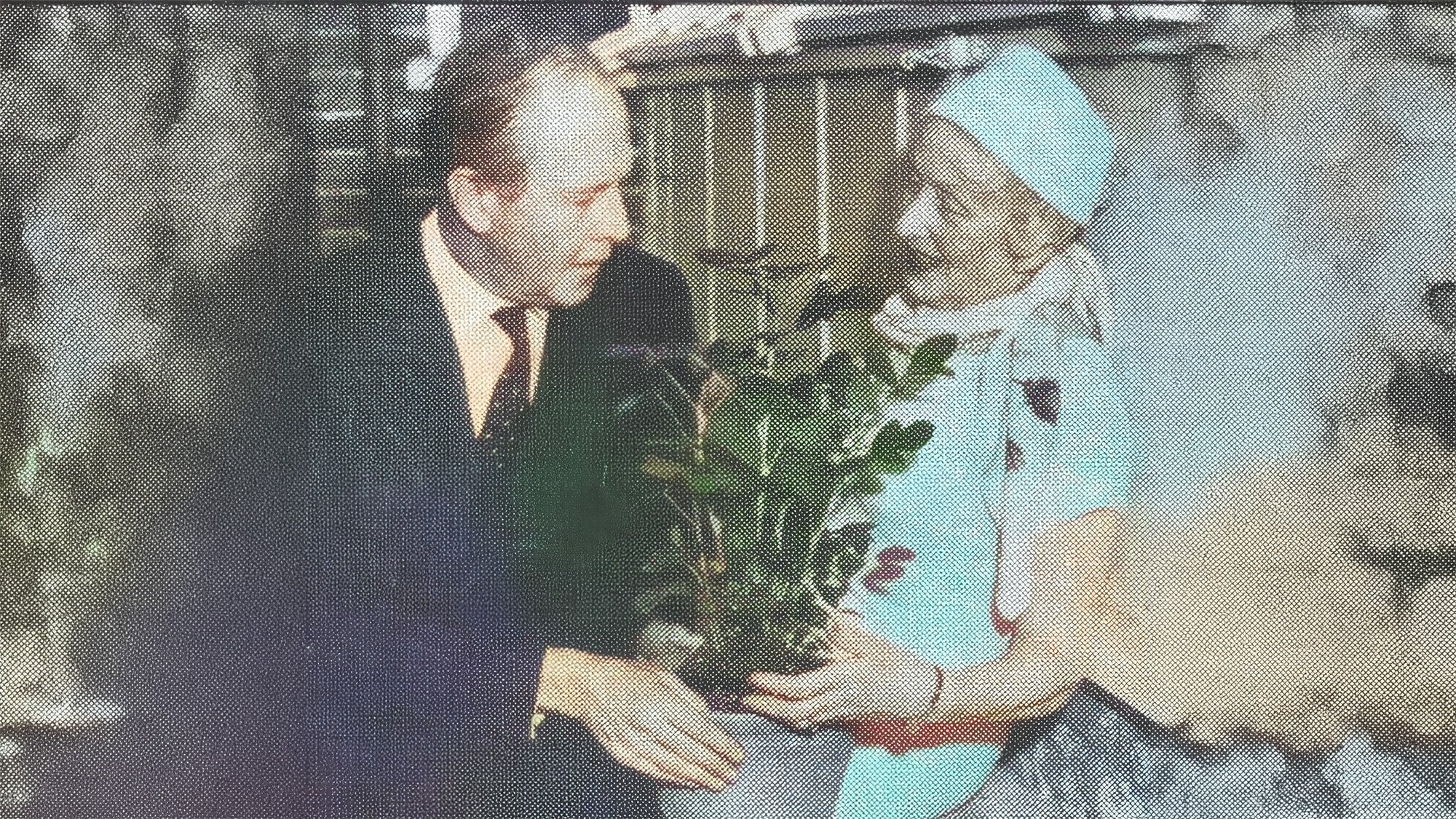
Howorth believed that exposing plants to gamma radiation could create better crops, addressing wartime food shortages. Gardeners received seeds from her and grew multiple generations of plants, looking for positive changes. In 1959, Howorth shared a mutated variety of Carolina peanuts with scientists, and when they weren’t impressed, she grew them in her own garden. The peanuts grew quickly and were unusually large, becoming a demonstration tool for her association.
Though newspapers often dismissed her work, Howorth effectively bridged the gap between scientific research and public understanding at a time when communication was far more limited and women were underrepresented in science. Today, science communicators face the same challenges, but have many more tools at their disposal.


