Medieval Coins Served as Viking Charms in Denmark
Why this is here: King Æthelred II of England earned the nickname “Æthelred the Unready” because people pronounced his name as “Av-el-raid” and then connected it to the Old English term “unræd,” meaning “ill-counselled.”
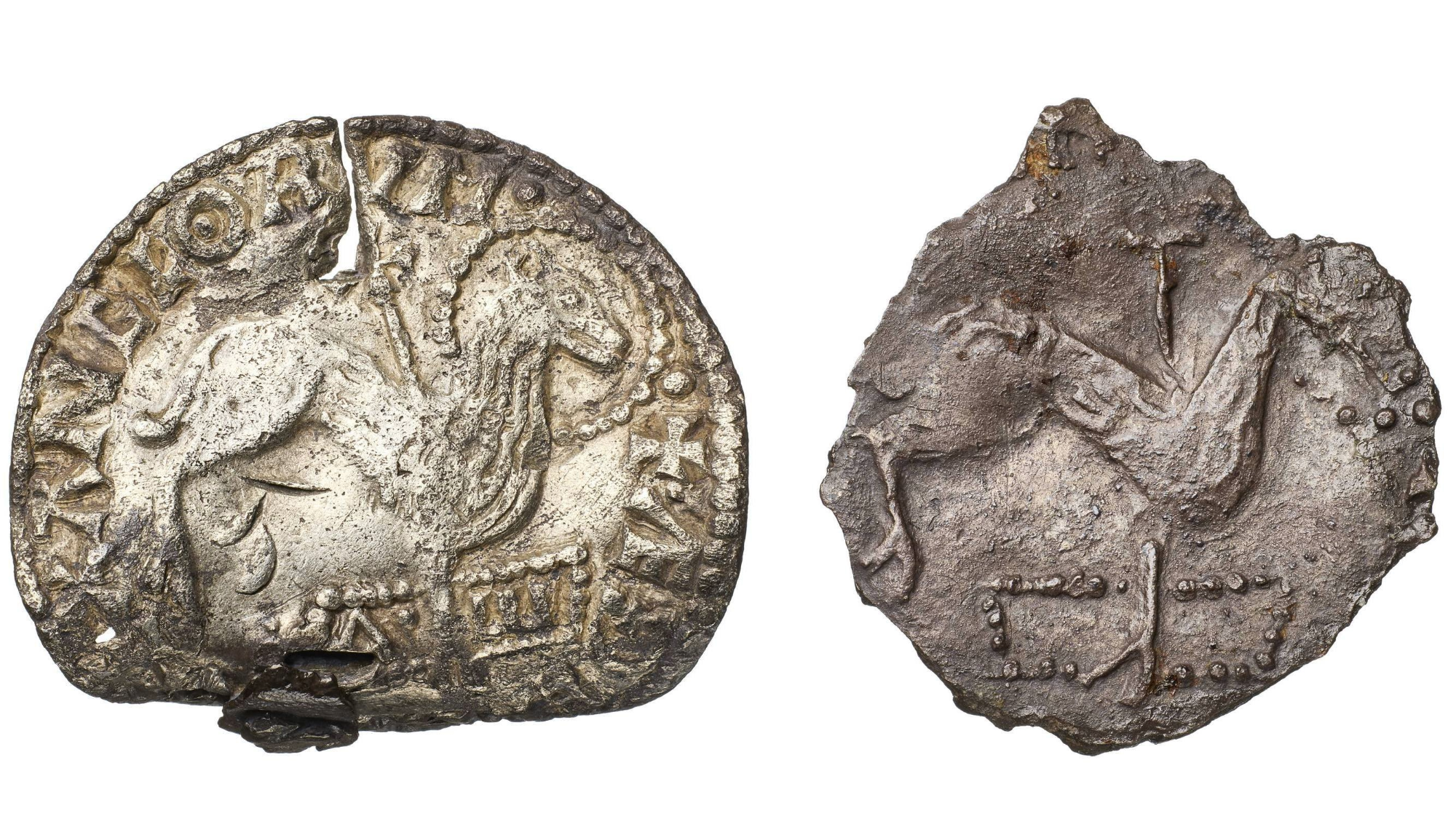
Metal detectorists in Denmark unearthed two rare silver coins intended to ward off Viking raiders. The coins date to 1099, originating in England during the reign of King Æthelred II. These coins feature Christian symbols—a lamb pierced with a cross and a rising dove—distinct from standard English coinage of the period.
Æthelred II commissioned the coins with religious imagery after repeated Viking attacks on England. He hoped fasting and penance, combined with the coins, would offer protection. However, Viking raids persisted, and they collected these coins as tribute.
Archaeologist Gitte Tarnow Ingvardson notes the coins connect English kings, Christianity, Danish Vikings, and the early Danish state. Only about 30 of these coins have been discovered to date, leaving many questions about their distribution and impact unanswered. Research into these coins and the Viking age continues.
Surfaced by the Discovery lens — one of the vital signs ovr.news reads.
How we evaluated this
AI summary
read the original for the full story — Read on popsci.com . How we work →