Ancient bones reveal how humans first walked upright
Summary and headline written by AI from the source article. How we work
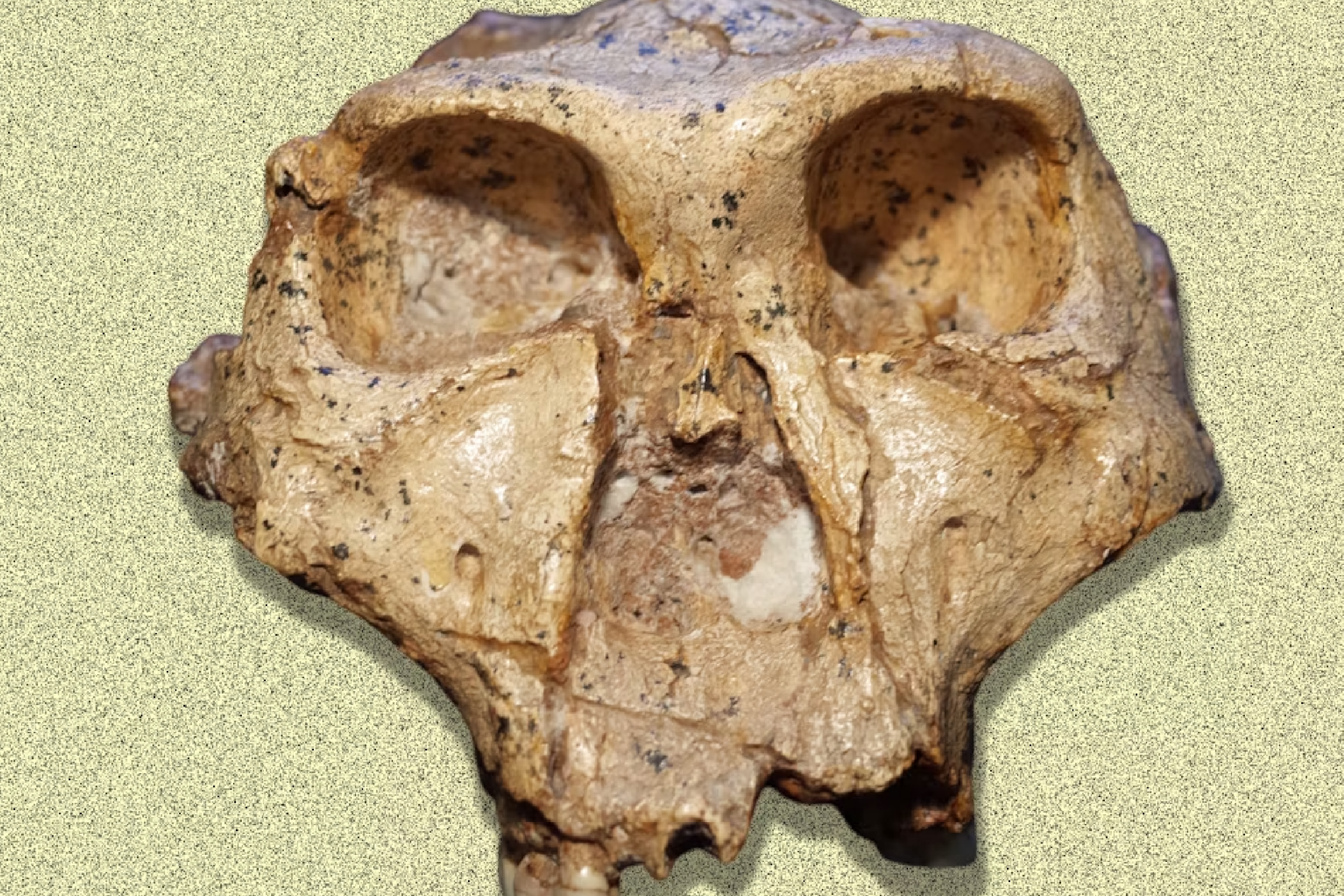
Evolutionary biologists at the University of Southern California compared the bones of “Little Foot”, a 3.7 million-year-old Australopithecus specimen from South Africa, to those of Homo ancestors from 1.8 million years ago. Researchers used CT scans to measure the thickness of limb bones, reasoning that bone density reflects how much an individual used those limbs. They discovered that Australopithecus had stronger arms relative to its thighs, resembling tree-dwelling apes.
However, the Australopithecus lower limbs showed a surprising similarity to modern humans in the relationship between thigh and shin bone strength. This suggests that Australopithecus divided its time between the trees and the ground, using both for locomotion. In contrast, the later Homo specimens exhibited bone proportions more similar to those of modern humans.
The team believes this shift in limb strength represents a key change in how our ancestors moved, indicating a commitment to walking on two feet by 1.8 million years ago. While the reasons for this change are still debated, researchers suggest increased range for foraging, access to new food sources, or the freeing of hands for other tasks may have played a role, possibly coinciding with a growth in brain size.