NASA image tool reveals hidden ancient art
Summary and headline written by AI from the source article. How we work
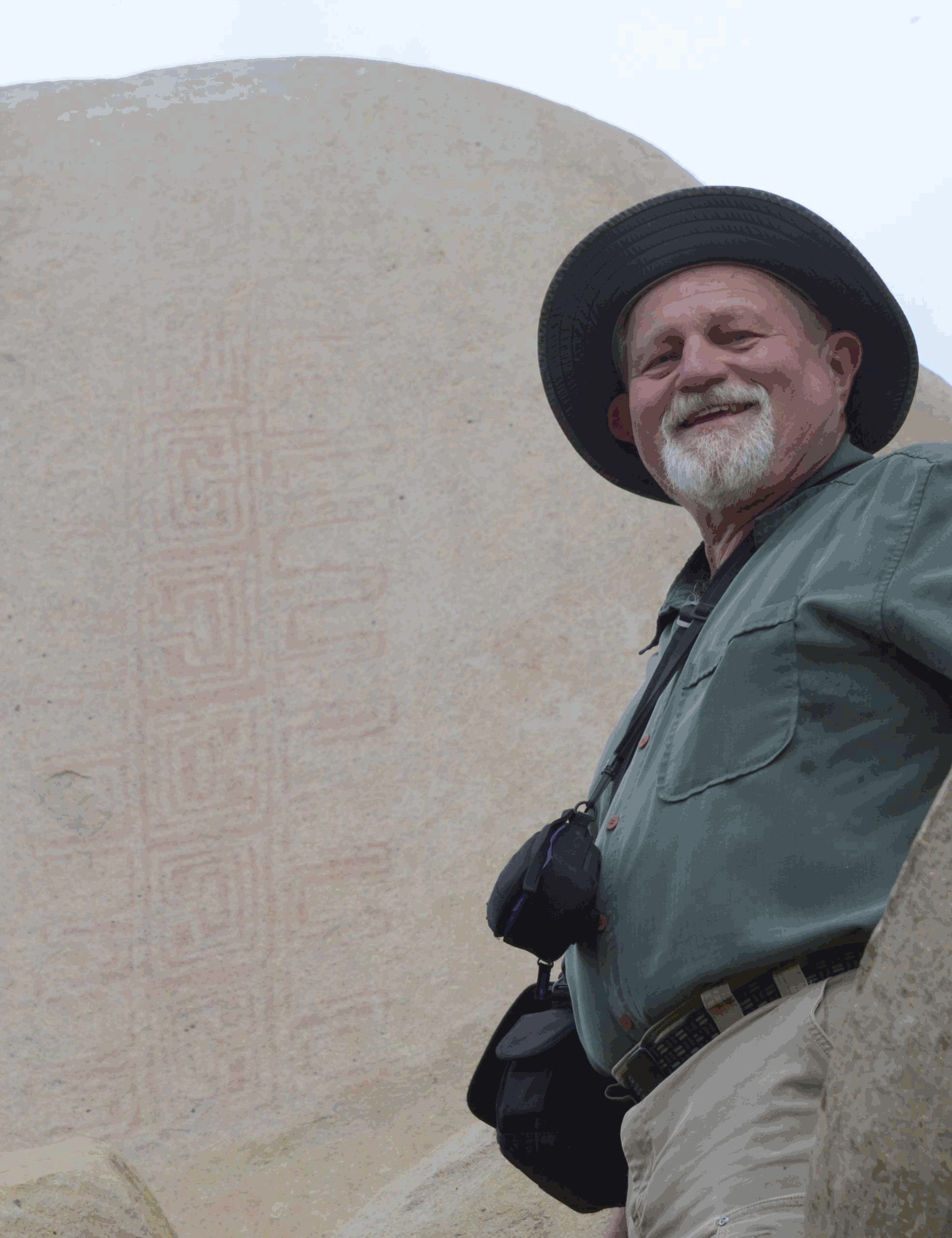
Archaeologists are now using a technique originally developed by NASA to reveal faded paintings and imagery at ancient sites around the world.
In Cambodia, the method uncovered paintings of horseback riders and musicians within Angkor Wat temple that were previously invisible to the naked eye. Jon Harman, a rock art enthusiast and former medical imaging specialist, adapted the NASA algorithm, called decorrelation stretch, for use with open-source image processing software after seeing its effectiveness on images of Mars.
The algorithm, first created in 1996 by Ronald Alley at NASA’s Jet Propulsion Laboratory, enhances contrast in digital images. Alley developed it while working on the Advanced Spaceborne Thermal Emission and Reflection Radiometer (ASTER), an imaging instrument on NASA’s Terra satellite. Harman created a plug-in for ImageJ, a program from the National Institutes of Health, and has since fulfilled around 200 requests annually for the tool, known as Dstretch.
Researchers have applied Dstretch to sites in Mexico, Norway, Egypt, and Canada, among others. Beyond rock art, the technique has aided in discovering buried Greek structures and examining tattoos on ancient mummified remains. Harman noted his satisfaction with the tool’s widespread adoption and expressed surprise at the diverse applications people have discovered for it.