Rock Art Dating Faces Scrutiny
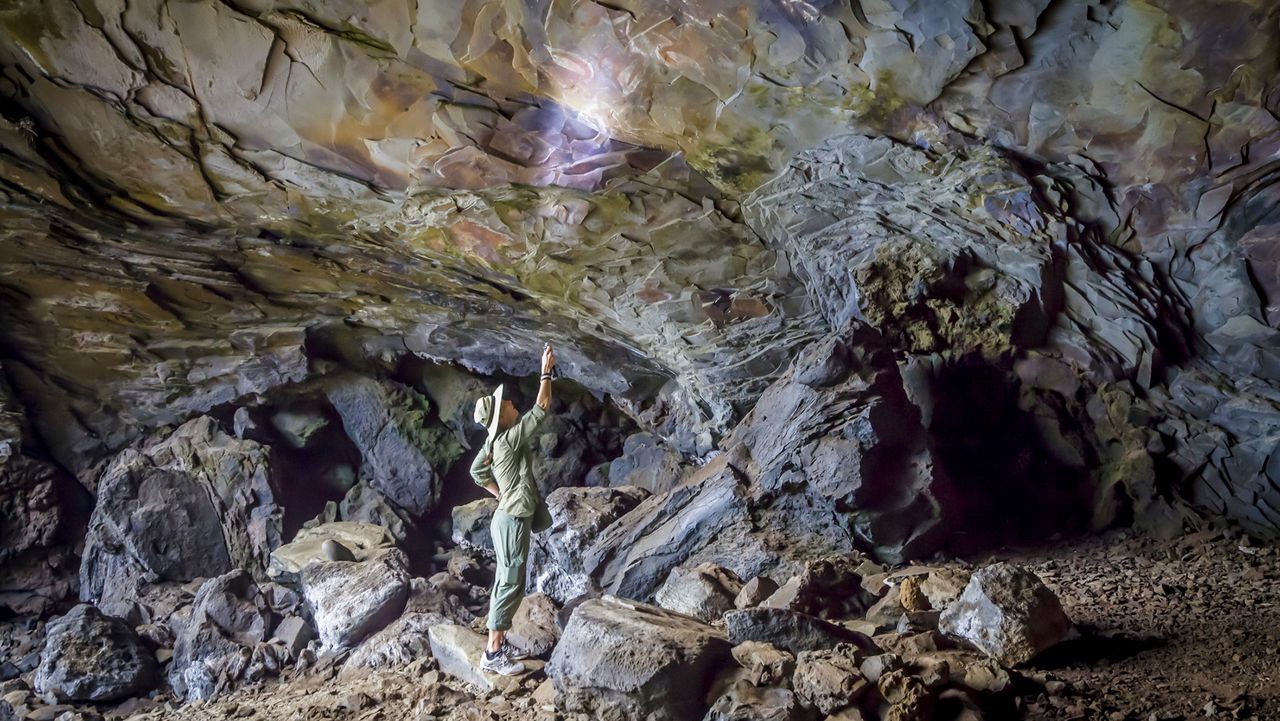
Why this is here: A U-Th date for a calcite layer at Nerja Cave in Spain yielded an age of 119,000 years, while a radiocarbon date of a charcoal mark within the same artwork was only around 19,000 years old.
Georges Sauvet, a researcher in France, questions the accuracy of uranium-thorium (U-Th) dating methods used to age prehistoric rock art. Recent claims of extremely old art—including a 67,800-year-old hand stencil in Indonesia—rely on U-Th dating, which measures the decay of uranium isotopes in calcite deposits. Sauvet argues that researchers are rushing to publish older dates without sufficient caution.
The U-Th method works by analyzing uranium-234 as it decays into thorium-230 within calcite that forms on cave walls. However, Sauvet contends that this method can overestimate ages if the calcite deposits are not “closed systems,” meaning if groundwater leaches uranium. He points to discrepancies between U-Th dates and radiocarbon dates at several sites, suggesting contamination skews results.
Other researchers acknowledge potential issues with U-Th dating but emphasize advancements like laser ablation technology, which can identify and exclude contaminated calcite layers. They maintain that careful analysis can yield reliable dates, and that dismissing the method entirely is an overgeneralization. The debate over dating techniques continues as scientists seek to understand the origins of human artistic expression.
Surfaced by the Discovery lens — one of the vital signs ovr.news reads.
How we evaluated this
AI summary
read the original for the full story — Read on livescience.com . How we work →