Giza Pyramid Resists Earthquakes
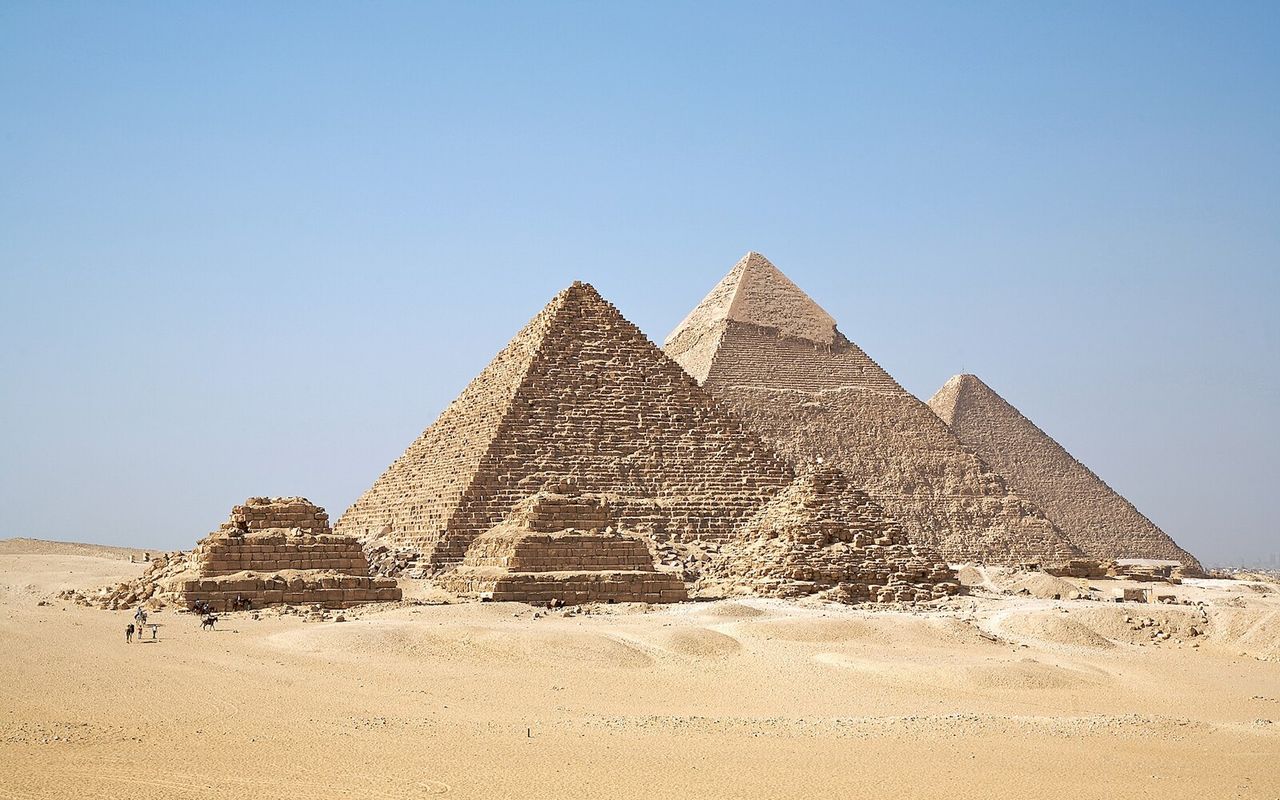
Why this is here: The Great Pyramid of Giza’s internal vibrations consistently measured between 2.0 and 2.6 hertz—a frequency significantly lower than the 0.6 hertz recorded in surrounding ground.
Asem Salama and his team at the National Research Institute of Astronomy and Geophysics in Cairo studied vibrations within the Great Pyramid of Giza. The research explains how the 4,600-year-old structure withstands earthquakes despite several strong tremors, including a 6.8 magnitude event in 1847. Sensors placed throughout the pyramid recorded vibrations ranging from 2.0 to 2.6 hertz, a frequency notably different from ground vibrations around 0.6 hertz.
The pyramid’s massive base, limestone foundation, and symmetrical shape contribute to its stability. Internal “pressure-relieving chambers” above the pharaoh’s chamber dampen seismic movement toward the top. The pyramid has lost roughly 10 meters of height since its construction, but remains remarkably intact.
Researchers acknowledge that each pyramid at Giza likely has unique structural features, as ancient Egyptian builders refined their techniques over centuries. They plan to extend this vibrational analysis to other Egyptian archaeological sites to better understand long-term preservation.
Surfaced by the Discovery lens — one of the vital signs ovr.news reads.
How we evaluated this
AI summary
read the original for the full story — Read on livescience.com . How we work →