Upton Lovell Shaman Identified as Woman Through DNA Analysis
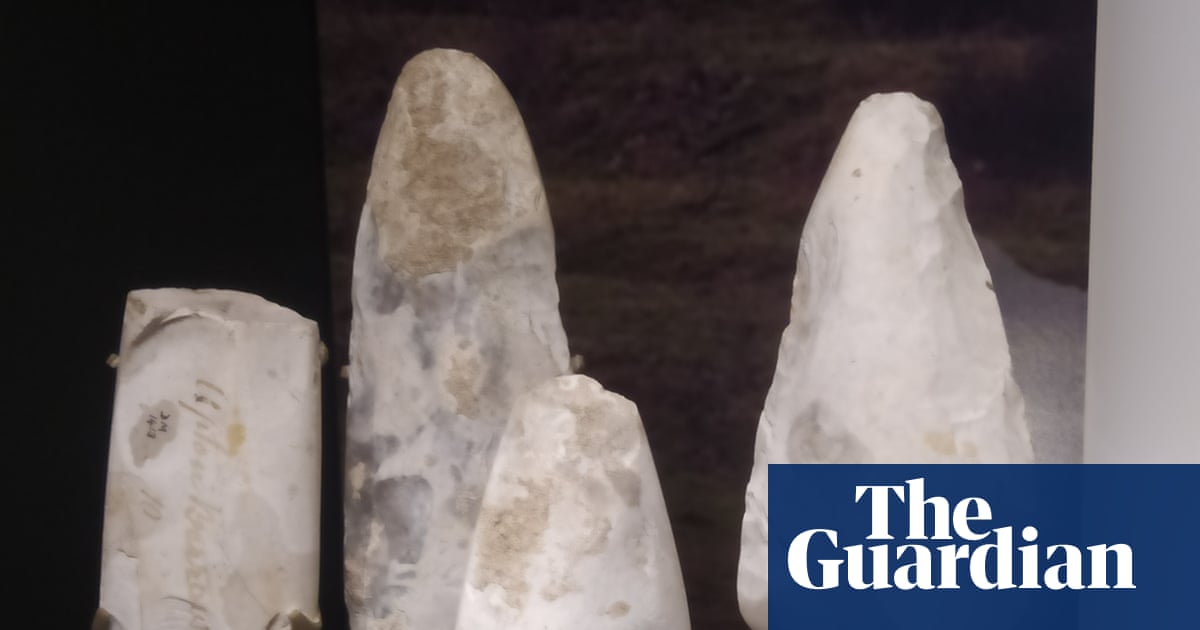
Archaeologists analyzing ancient DNA determined the “Upton Lovell Shaman,” a 4,000-year-old bronze age burial discovered in Wiltshire, England, was a woman. Previous interpretations of the skeleton, displayed in museums, assumed the individual was male based on perceived roles associated with the grave goods. The burial contained stone axes, metalworking tools, and remnants of a ceremonial cloak, marking it as a prominent find from Britain’s bronze age.
The new analysis offers conclusive evidence overturning the long-held assumption about the shaman’s sex. This discovery challenges existing narratives surrounding gender roles and spiritual practices in the bronze age.
Researchers will present their findings alongside the opening of the “We Go Way Back” exhibit at the Francis Crick Institute on July 16. The exhibit will likely revise how this important archaeological figure is portrayed and understood.
Surfaced by the Discovery lens — one of the vital signs ovr.news reads.
How we evaluated this
AI summary
read the original for the full story — Read on theguardian.com . How we work →