Detroit Water Bills Reflect Uneven Costs
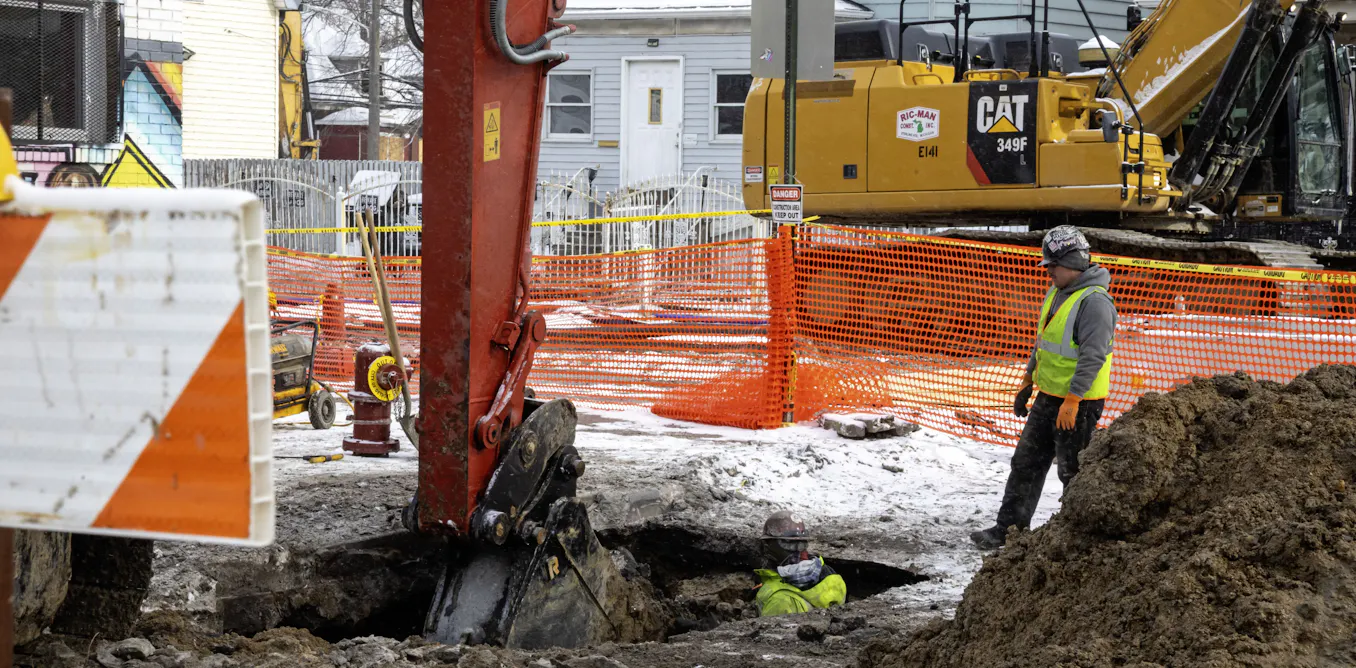
Why this is here: Detroit residents’ water bills can consume up to 25% of disposable income if living below the poverty line, exceeding the U.S. Environmental Protection Agency’s 4.5% affordability threshold.
The Great Lakes Water Authority will raise water and sewer rates by roughly 5.8% and 4.26% respectively beginning in July 2026 for customers including those in Detroit. Detroit residents face a disproportionate share of costs for stormwater management, a situation stemming from decisions made during suburban expansion in the mid-20th century. Since the late 1990s, Detroit water bills have increased by 400%, now averaging $87.54 monthly—consuming up to 25% of disposable income for households below the poverty line.
Research by a political ecologist at Loyola Marymount University shows that Detroit’s wastewater system was expanded to serve growing suburbs from the 1950s to 1970s. A 1999 settlement, known as the “83/17 split,” assigns 83% of stormwater improvement costs to Detroit while suburban communities cover the remaining 17%.
This arrangement persists today, and limits efforts to address water affordability. Since 2014, roughly 170,000 Detroiters have experienced water shutoffs for nonpayment, leading to housing instability and public health concerns. Advocates continue to push for a statewide water affordability plan tied to household income.
Surfaced by the Solutions lens — one of the vital signs ovr.news reads.
How we evaluated this
AI summary
read the original for the full story — Read on theconversation.com . How we work →