Researchers use regional archaeology to reconstruct ancient psalm performances
Headline and summary by local AI
Thomas Staubli of the University of Freiburg, Switzerland, examines how people performed biblical psalms during the First Temple period around 900 B.C.E.
Because the biblical prohibition against graven images prevents the existence of direct depictions of psalm performances, Staubli uses comparative archaeology from neighboring Levantine cultures to piece together the musical traditions of early Israelites.
He notes that while the Hebrew Bible lacks music notations and the oldest psalms likely date to the 14th century B.C.E., extra-biblical texts provide clues about the ritual actions that accompanied these songs. Staubli points to the Ugarit text corpus from the northern coast of modern Syria as a primary parallel. These "lifted-hand" petition prayers to deities like Ishtar include specific instructions for ritual enactments, such as sweeping roofs, sprinkling water, and burning aromatic plants.
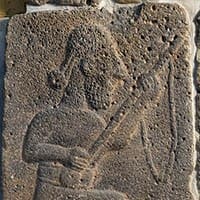
These texts suggest that prayers were not just spoken words but were part of choreographed physical actions and environmental preparations. Archaeological evidence also confirms that musicians accompanied these recitations. Stone reliefs from the Levant depict various instruments, and a fourth-century B.C.E. papyrus manuscript from Elephantine, an island at the southern border of ancient Egypt, describes musicians standing in attendance for Yahweh. The manuscript identifies specific instruments used, including the bass lyre and the kinnor, a type of lyre.
Selected and summarized by local AI How we work
Discovery: Archaeology, new knowledge of art, culture and history, forgotten history uncovered, something lost restored.