RNA Repair Mechanism Hints at Origins of Life
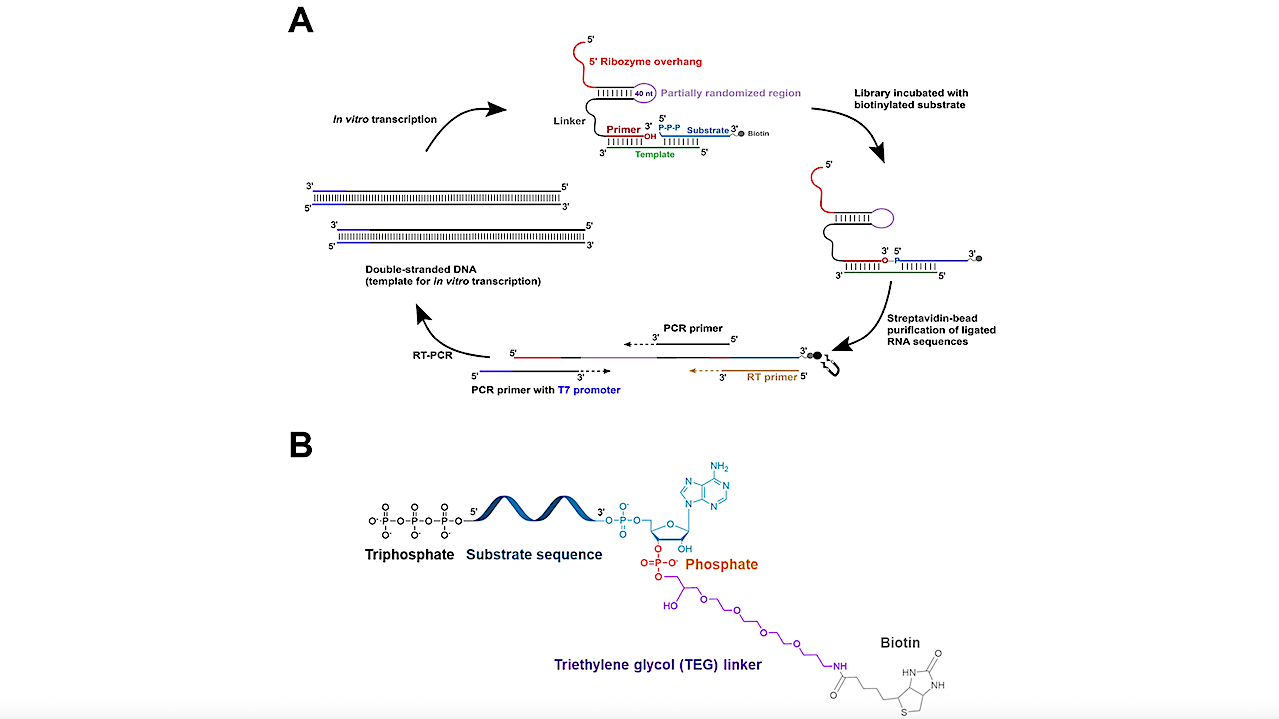
Researchers at the University of Notre Dame engineered an enzyme, a ribozyme, that repairs broken RNA molecules, suggesting early life forms may have used RNA alone to preserve genetic information. The team, led by Saurja DasGupta, discovered the ribozyme selectively targets and repairs RNA strands with a specific chemical marker indicating damage, a terminal phosphate group.
This finding supports the RNA World hypothesis, which proposes that RNA, not DNA, was the primary genetic material in the earliest life on Earth approximately four billion years ago. The research addresses a key problem with RNA as a genetic carrier: its susceptibility to damage.
Without a repair mechanism, accumulated damage would have halted the development of life. The team initially aimed to modify existing ribozymes but stumbled upon this new repair function through unexpected results during in vitro evolution experiments.
Beyond understanding primordial life, this discovery has potential applications in biotechnology. Current RNA sequencing techniques cannot detect broken RNA, hindering research into diseases like cancer and viral infections. DasGupta’s group is now working to improve the ribozyme’s efficiency and expand its targeting capabilities to make broken RNA visible for diagnostic purposes.
Surfaced by the Discovery lens — one of the vital signs ovr.news reads.
How we evaluated this
AI summary
read the original for the full story — Read on astrobiology.com . How we work →