Romanian teenagers will learn about trafficking in mobile escape room
Summary and headline written by AI from the source article. How we work
Over 1,100 teenagers and future police officers in Romania will participate in educational activities designed to raise awareness about human trafficking.
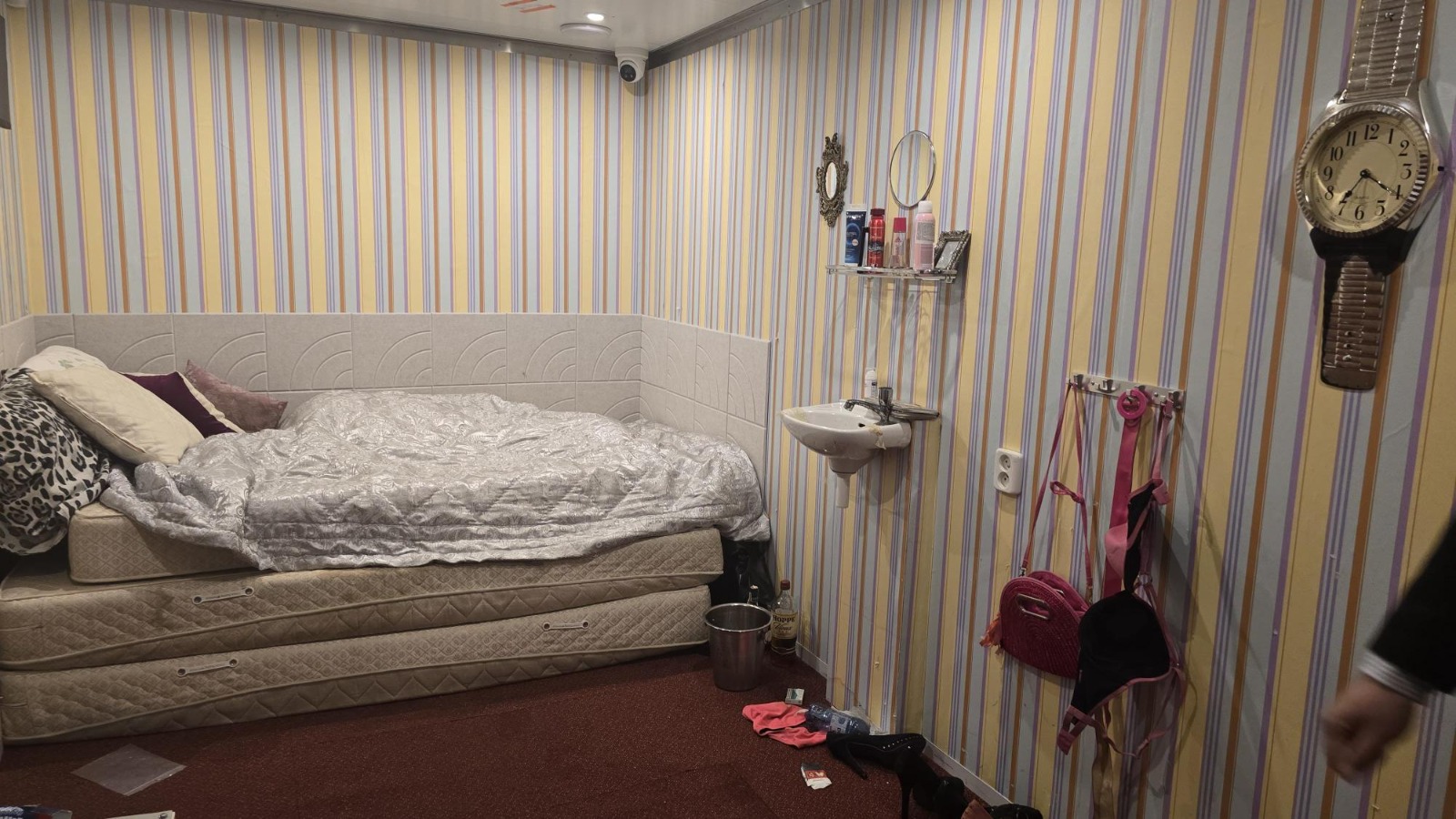
World Vision Romania, in partnership with several organisations and funded by the US Department of State, will use a mobile escape room called Escape Truck to teach young people about the methods traffickers use and how to identify potential victims. The program will run from September to October in several Romanian cities including Bucharest, Cluj-Napoca, and Timișoara.
The activities focus on two common forms of trafficking: sexual exploitation and labor exploitation. Organizers base the scenarios on real stories of victims, asking participants to solve puzzles and decode clues to understand the warning signs of exploitation. The program also targets students at Romanian police academies, allowing them to approach the issue from the perspective of a potential victim.
Mihaela Năbar, executive director of World Vision Romania, explained the initiative aims to help teenagers recognize dangerous situations and know where to seek help. The program comes as Romania sees a rise in identified trafficking victims. In 2023, authorities identified 16% more victims than in the previous year, and almost half of those were minors. Escape Truck originated in the Netherlands as a preventative initiative.
The current Romanian program is a joint effort between Romania and the Kingdom of the Netherlands, and will continue through 2029.