Ukraine Refugee Faces Anxiety in Spain
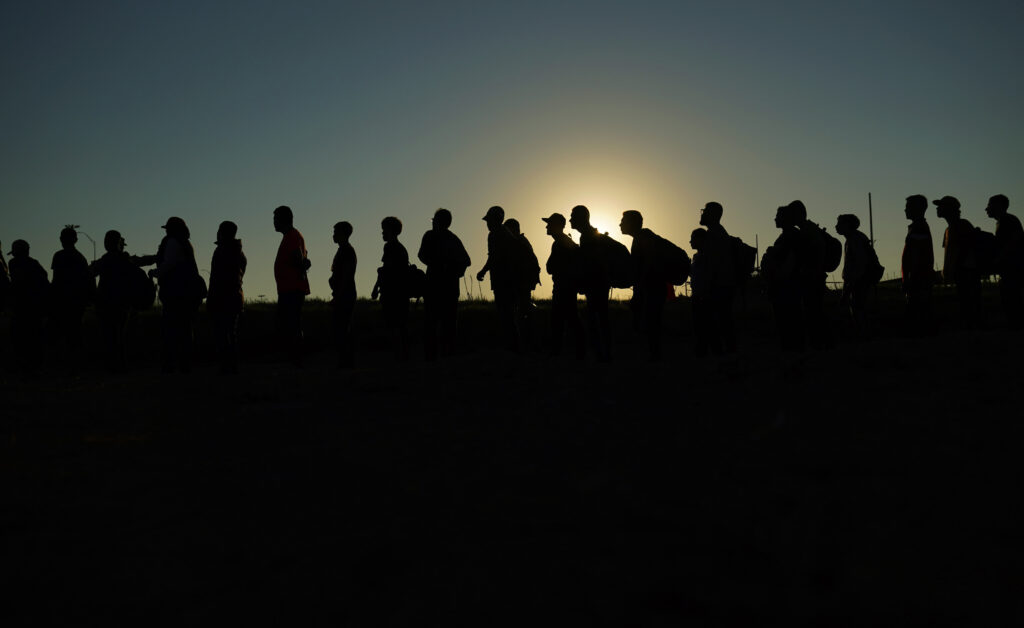
Why this is here: The brain enters a “survival mode” during migration, prioritizing quick adaptation even when a person isn’t emotionally prepared.
Psychologist Juan José Iriarte in Spain explains how migration impacts the brain. The experience of Fátima, a 29-year-old who fled the war in Ukraine, illustrates the strong emotional toll migration takes on individuals. Iriarte notes that extreme experiences activate defense mechanisms, placing the brain in survival mode focused on rapid adaptation.
This adaptation comes at a cost, as people often suppress emotions while securing housing, learning language, and integrating. Over time, this pressure can lead to psychological exhaustion, anxiety, or depression. A central aspect is “migratory grief,” a continuous process of loss related to home, family, and identity.
Specialists emphasize accepting these reactions as normal responses to major life changes. They also stress the importance of seeking support through therapy or support groups.
Fátima found that learning Spanish reduced her anxiety and increased her independence, while practical assistance with housing and employment further eased her stress. Further research continues to explore long-term effects and effective interventions.
Surfaced by the Discovery lens — one of the vital signs ovr.news reads.
How we evaluated this
AI summary
read the original for the full story — Read on mediafax.ro . How we work →