Romania’s ANRE Clarifies Legality of Sharing Solar Power
Why this is here: A typical two-room apartment in Romania consumes around 100 kWh of electricity per month, with bills averaging 130 to 180 lei.
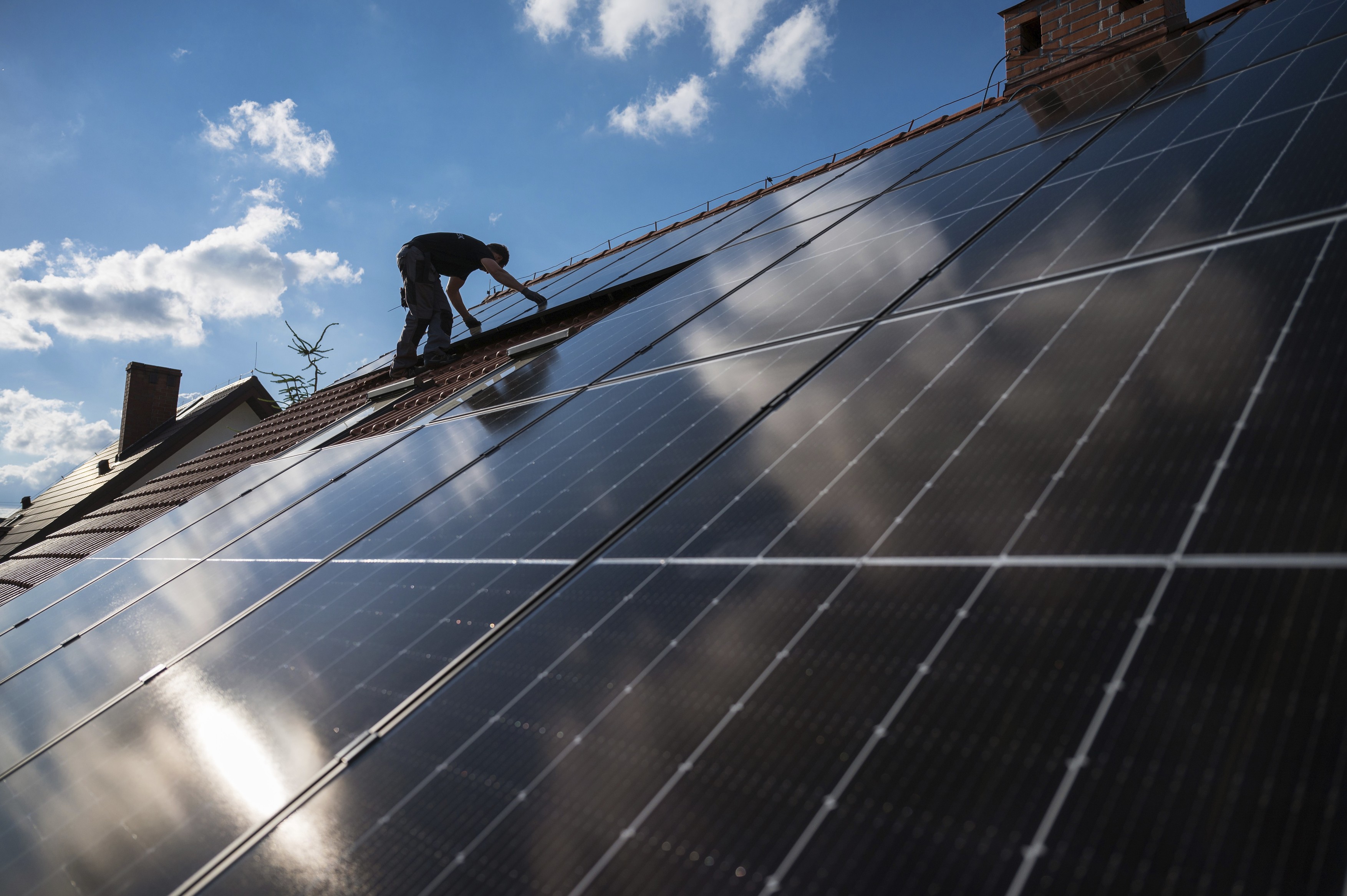
Romania’s National Energy Regulatory Authority (ANRE) recently addressed a common question: is it legal to receive electricity from a neighbor with photovoltaic panels? The agency confirmed that directly taking electricity from a neighbor is not legal, even with their consent and payment. Romanian law requires all electricity consumption to be based on a supply contract with a licensed provider and proper metering.
Currently, Romania has roughly 311,000 prosumers—people who produce their own energy—but they are obligated to use that energy for self-consumption only. Any surplus is returned to the grid through their existing supplier. Connecting to another’s installation bypasses this system and violates both energy legislation and the Fiscal Code, potentially leading to fines or even imprisonment of six months to three years.
ANRE notes that while sharing electricity isn’t currently permitted, the upcoming implementation of “energy communities” will change this. These communities will allow groups of prosumers and consumers to share locally generated electricity, a framework currently under development with supporting European policies. The agency will soon define the specifics of forming and registering these communities.
Surfaced by the Thriving lens — one of the vital signs ovr.news reads.
How we evaluated this
AI summary
read the original for the full story — Read on hotnews.ro . How we work →