Researchers identify ancient waterway that may explain pyramid construction
Headline and summary by local AI
Researchers from the University of North Carolina Wilmington identified an ancient branch of the Nile River in Egypt that may have served as a transport route for building materials.
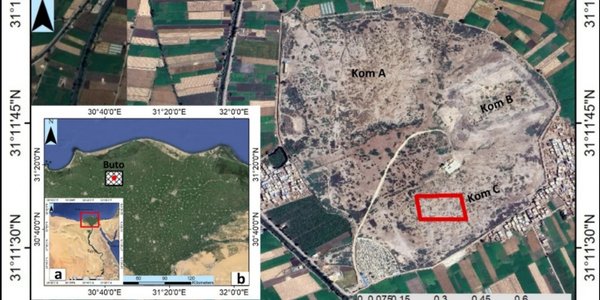
The team published their findings in the scientific journal Communications Earth & Environment. The team located the Ahramat, a former river branch that is now buried under sand and farmland. Using satellite radar images, historical maps, geophysical surveys, and sediment analysis, the researchers mapped the waterway.
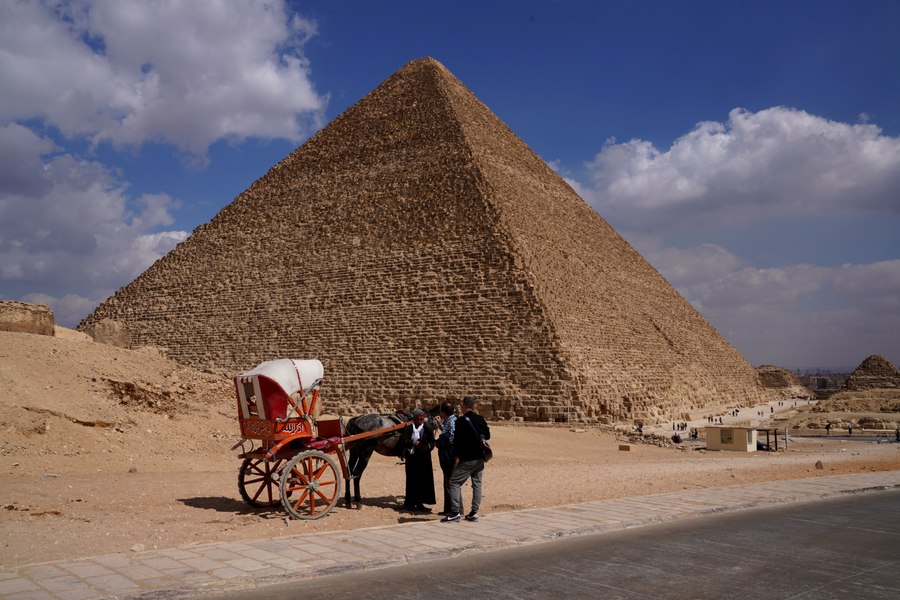
They determined the Ahramat was approximately 64 kilometers long and measured between 200 and 700 meters wide. The study shows that this waterway passed near 31 pyramids built between 4,700 and 3,700 years ago. The researchers believe the Ahramat disappeared due to major climate shifts, including periods of drought and sandstorms that gradually altered the landscape. The discovery provides a potential answer to how ancient Egyptians moved massive stone blocks to construction sites.
The researchers suggest the river allowed for the transport of heavy materials, equipment, and people, reducing the difficulty of moving weight across the desert. While this finding does not explain every construction technique, it offers a major clue regarding the logistics of building the monuments.
Selected and summarized by local AI How we work