Ancient stones build modern lives in Romania’s hațeg land
Summary and headline written by AI from the source article. How we work
In Romania’s Țara Hațegului region, people have built homes and churches with stones taken from the ruins of the ancient Dacian and Roman settlements of Sarmizegetusa and Ulpia Traiana.
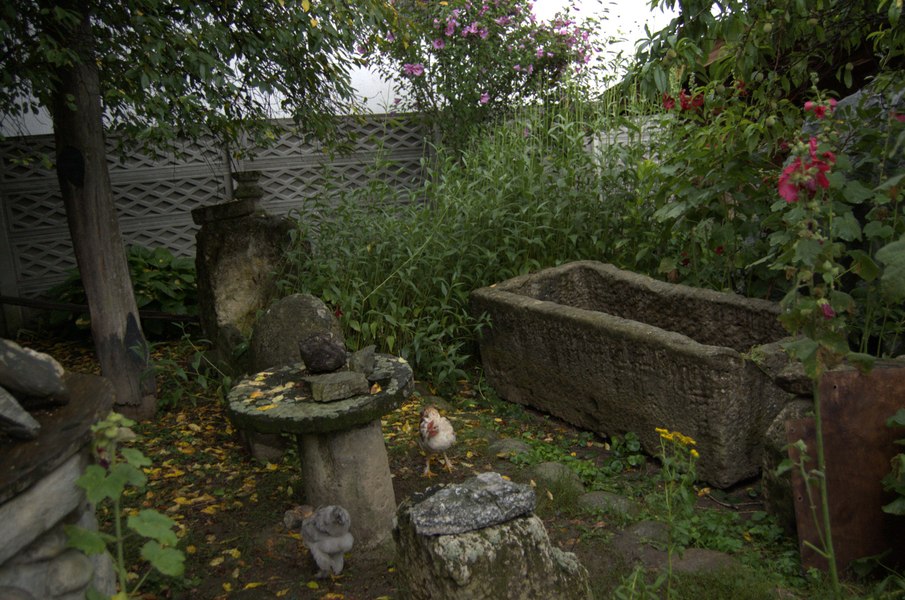
For centuries, locals have repurposed materials from these sites, incorporating them into foundations, walls, and even ovens. Anton Socaci, who runs the Hațegan Village Museum in Densuș, has collected stones and sarcophagi from people’s yards, displaying them alongside artifacts from prehistoric times.
The practice of reusing ancient stones was once a common trade. People exchanged stones, with price depending on their historical significance, to build or improve their properties. Even today, remnants of past civilizations can be found in people’s courtyards, alongside more recent artifacts. The oldest church in Romania, located in Densuș and dating back to the 14th century, was constructed almost entirely from stones taken from the Roman city of Ulpia Traiana.
Historical accounts reveal a widespread disregard for preserving these ancient artifacts. People burned stones to make lime, buried inscriptions, or simply used them as building materials. Despite some efforts to collect and preserve these items in museums, many remain scattered throughout the region, integrated into the fabric of everyday life. The area’s history is literally the foundation of its present.