Colossal Biosciences Develops Artificial Avian Eggs
Why this is here: More than 5,200 bird species—almost half of the world’s total—are experiencing declining populations, highlighting the potential impact of this technology.
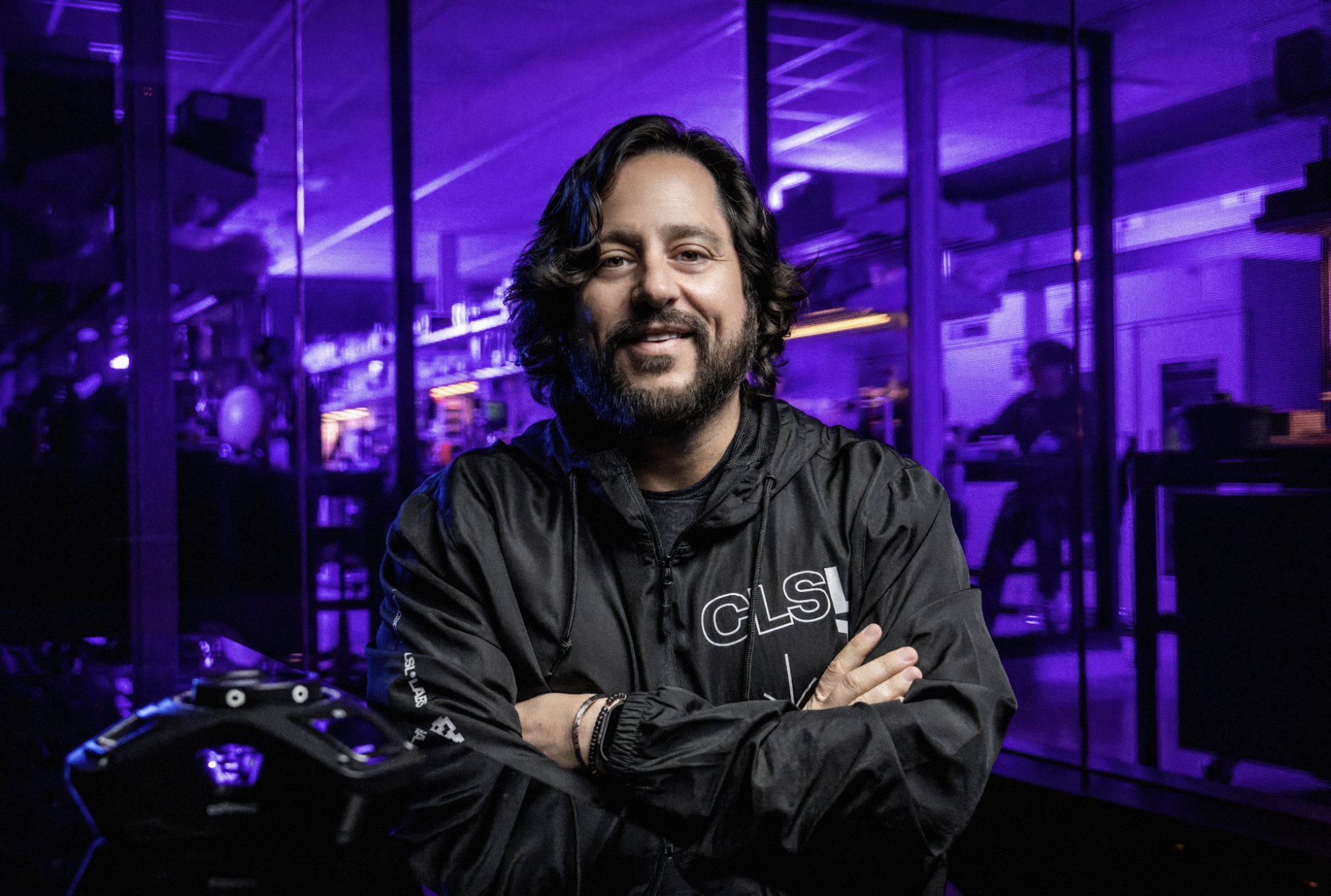
Colossal Biosciences, led by founder Ben Lamm, recently developed artificial eggs for avian reproduction in Fort Worth, Texas. The company aims to use this technology to aid de-extinction efforts, starting with the South Island Giant Moa of New Zealand. Traditional incubation proves impossible for the moa, as its eggs were roughly eight times the volume of an emu egg and no living bird can serve as a surrogate.
Colossal’s team combined biology, materials science, and engineering to create a scalable egg system. They built the artificial egg to accommodate the moa first, then adapted the design for other species. This platform offers standardized deployment and controllable conditions for avian embryo development.
The technology extends beyond de-extinction, potentially impacting fields like human health and the $283 billion monoclonal antibody market. While the artificial egg addresses a crucial gap in avian reproduction, broader challenges remain in reconstructing complete genomes and ensuring long-term species viability. The team continues to refine the system and explore its applications.
Surfaced by the Solutions lens — one of the vital signs ovr.news reads.
How we evaluated this
AI summary
read the original for the full story — Read on entrepreneur.com . How we work →