Neighbors turn invasive weed into affordable housing
Summary and headline written by AI from the source article. How we work
In Tucson, Arizona, residents are converting buffelgrass, an imported, destructive weed, into adobe bricks to build low-income housing, and are paying people in need to help with the work.
Brad Lancaster and David Walker initiated the project 28 years ago by illegally diverting rainwater to grow native plants, and now the city supports similar efforts with financial incentives.
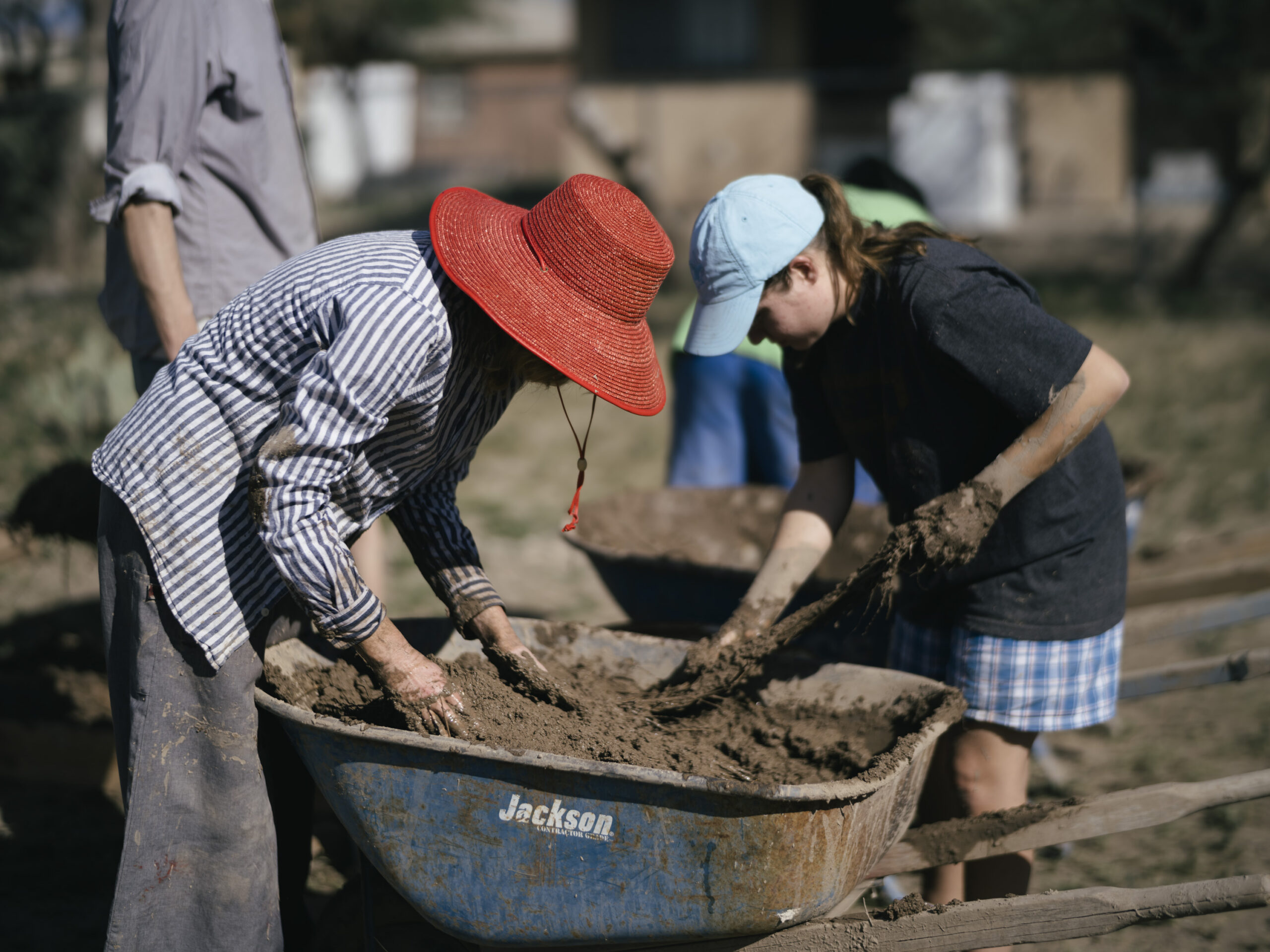
A group including university students and volunteers has established a brickyard where they process the buffelgrass, and they plan to build five structures, including row houses and accessory dwelling units. The project aims to address both housing shortages and ecological issues. Buffelgrass-adobe construction offers a cheaper and more sustainable alternative to traditional building methods, reducing carbon emissions and lessening the impact on natural landscapes.
Organizers hope to expand the initiative citywide, drawing inspiration from a historical period when Tucson residents commonly built and repaired their own homes from local materials, before a 1960s urban renewal project displaced many families. The effort extends to improving eldercare. One author found that locally owned facilities provided better care for their mother than large corporate chains, which prioritised profit over resident wellbeing.
They suggest limiting corporate ownership of care facilities to improve quality and accountability, and believe similar grassroots lobbying efforts can achieve positive change at the local level, building on successes like the rainwater harvesting initiative. This approach contrasts with relying on federal-level changes, which the author believes are currently unattainable in the United States.