Bahá’í Faith Elects Leaders Without Campaigning
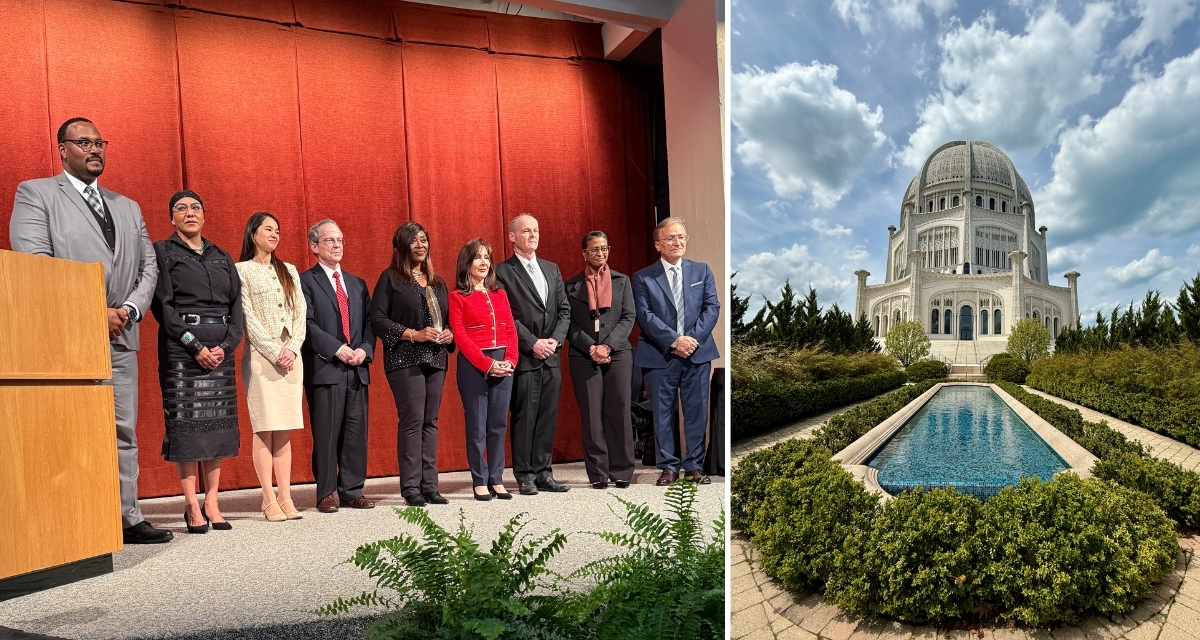
Why this is here: Delegates at the Bahá’í National Convention in the United States gathered last October, with a total of 171 elected to help choose the National Spiritual Assembly.
Amanda Ripley, an investigative journalist, examined the Bahá’í Faith’s election process after seeking examples of institutions that manage conflict well. Ripley found the Bahá’í system—which prohibits campaigning, nominations, and even suggesting who to vote for—remarkable for its ability to avoid polarization.
At the local level, Bahá’ís elect nine-member Local Spiritual Assemblies by secret ballot, prioritizing qualities like selfless devotion and experience. Delegates then elect National Spiritual Assemblies, gathering at locations like the Bahá’í House of Worship in Wilmette, Illinois.
The process extends to the international level, where National Spiritual Assemblies elect the Universal House of Justice every five years. Bahá’í decision-making, called consultation, further minimizes conflict by detaching ideas from individual ownership and focusing discussion on spiritual principles.
While not without occasional human complications, the system generally functions as intended, fostering a collaborative environment. The Bahá’í community continues to refine its approach to collective governance and spiritual growth.
Surfaced by the Discovery lens — one of the vital signs ovr.news reads.
How we evaluated this
AI summary
read the original for the full story — Read on upworthy.com . How we work →