Cuba’s Fuel Crisis Spurs Rise of Solar Tricycles
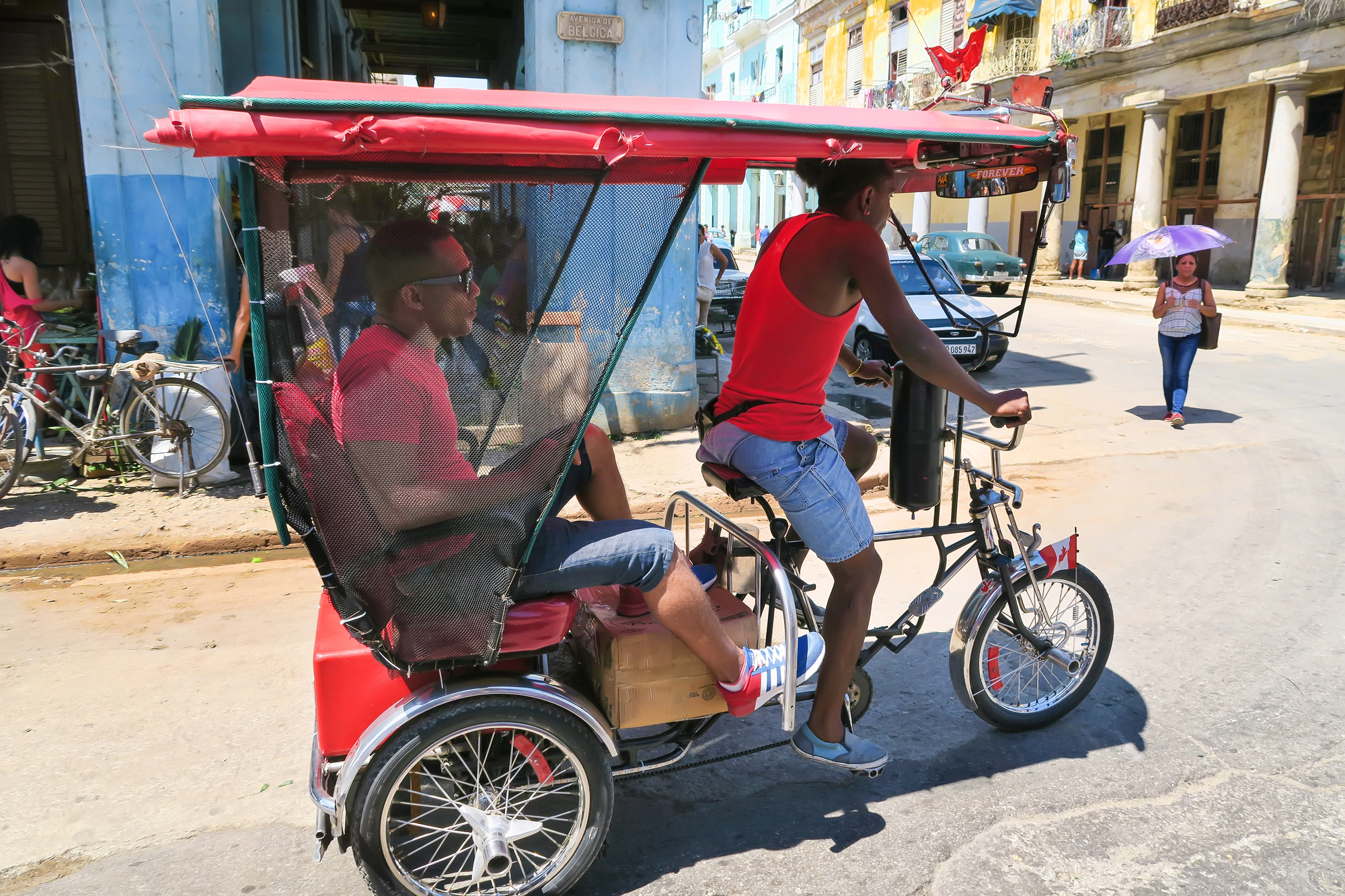
In Cuba, residents are increasingly relying on electric tricycles to navigate a severe fuel crisis, as oil tanker arrivals have dropped to one per month. The country, which produces only 40 percent of its fuel needs, faces worsening blackouts and shortages.
Chinese-made tricycles, costing $2,000 to $4,000, are being purchased by individuals and small businesses, filling gaps in public transportation and goods delivery. Many tricycle owners are further adapting the vehicles by installing solar panels, at a cost of around $500, to recharge batteries independently of the unreliable electrical grid.
This innovation allows them to bypass power outages and maintain service. Engineers note the proliferation of these vehicles is reshaping Havana’s transportation system.
The shift away from gasoline-powered cars is becoming entrenched, with owners believing the tricycle networks and supporting infrastructure will remain even if fuel supplies improve. These vehicles offer affordable transport, costing around 500 Cuban pesos (less than a dollar) per ride, and represent a resourceful response to ongoing hardship.
Surfaced by the Solutions lens — one of the vital signs ovr.news reads.
How we evaluated this
AI summary
read the original for the full story — Read on optimistdaily.com . How we work →