Indigenous communities preserve traditions through art, advocacy, and land rights
Headline and summary by local AI
Various Indigenous communities across the United States and Alaska are engaging in cultural preservation, land advocacy, and community building projects.
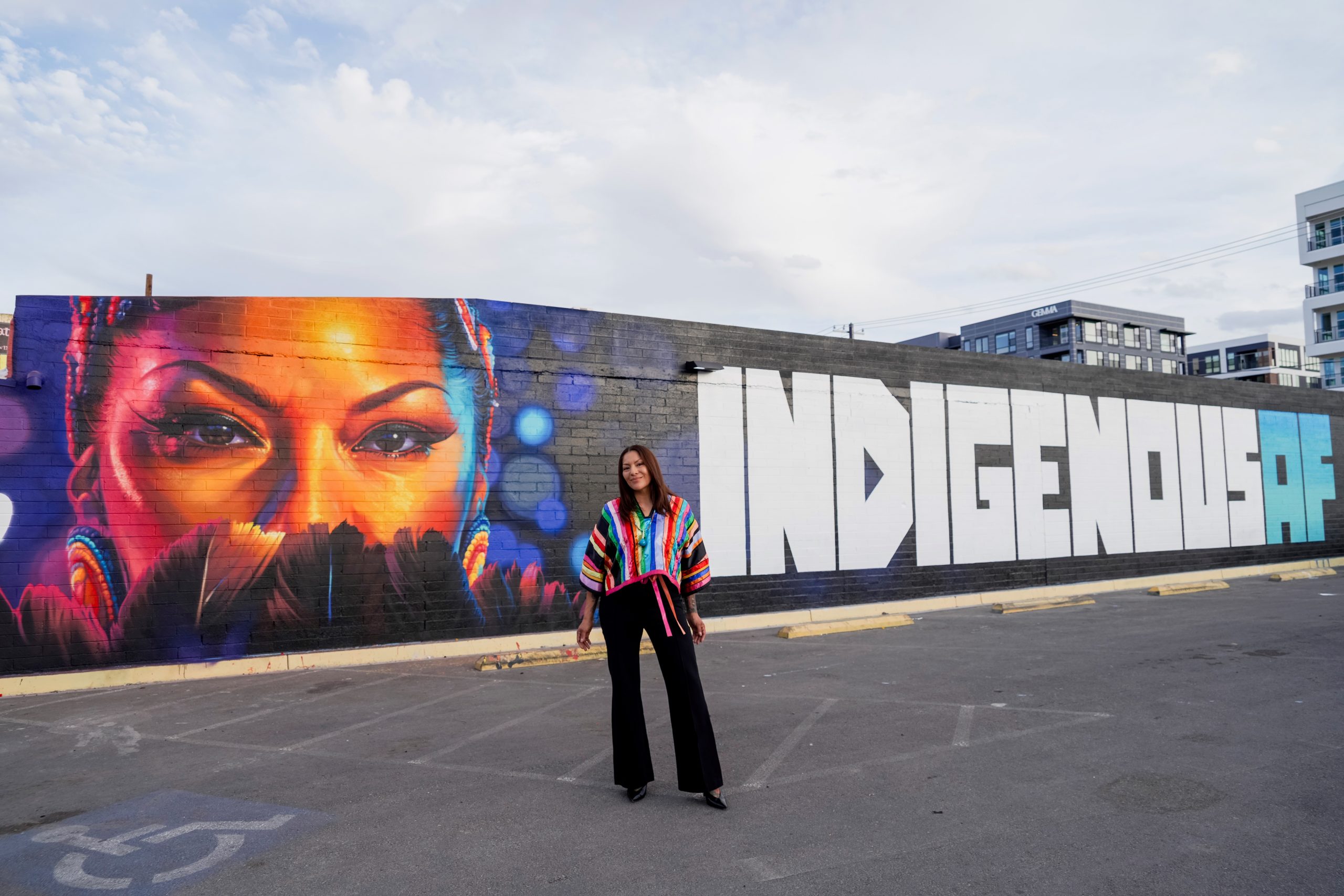
In Las Vegas, Fawn Douglas and A.B. Wilkinson opened the Wai Gallery to showcase Indigenous art and host free community programs. Douglas, a Las Vegas Paiute Tribe citizen, uses the gallery to dismantle stereotypes about Native American life and provide a space for people to connect without phones.
The gallery features diverse works, including a desert-themed painting that advocates for a national monument in Nevada. In Alaska, the Paul family returned to their village to practice subsistence gathering after Typhoon Halong destroyed 90% of the local buildings. The family spent the summer picking salmonberries, a traditional practice that helps maintain community ties following the disaster. Meanwhile, in Arizona, Rosa Soto Alvarez advocates for the 1978 Indian Child Welfare Act.
Alvarez, who has cared for 25 foster children in her home, works to ensure Native children remain with their families and communities. In North Carolina, a group of girls called the NAIWA Daughters successfully petitioned the Eastern Band of Cherokee Indians Tribal Council to recognize the legal rights of a river system. The council passed a resolution granting the water the right to flow freely and remain free from pollution.
In Minnesota, the Wicoie Nandagikendan program immerses children in Ojibwe and Dakota languages and traditions, such as tapping maple trees. Additionally, Muscogee artist Hodokii Johnson promotes traditional tattoos as a means of ancestral healing and cultural reclamation.
Selected and summarized by local AI How we work
Belonging: Community bonds, rootedness, and living cultural practices and heritage.
