Spanish brown bear population doubles as breeding range expands
Headline and summary by local AI
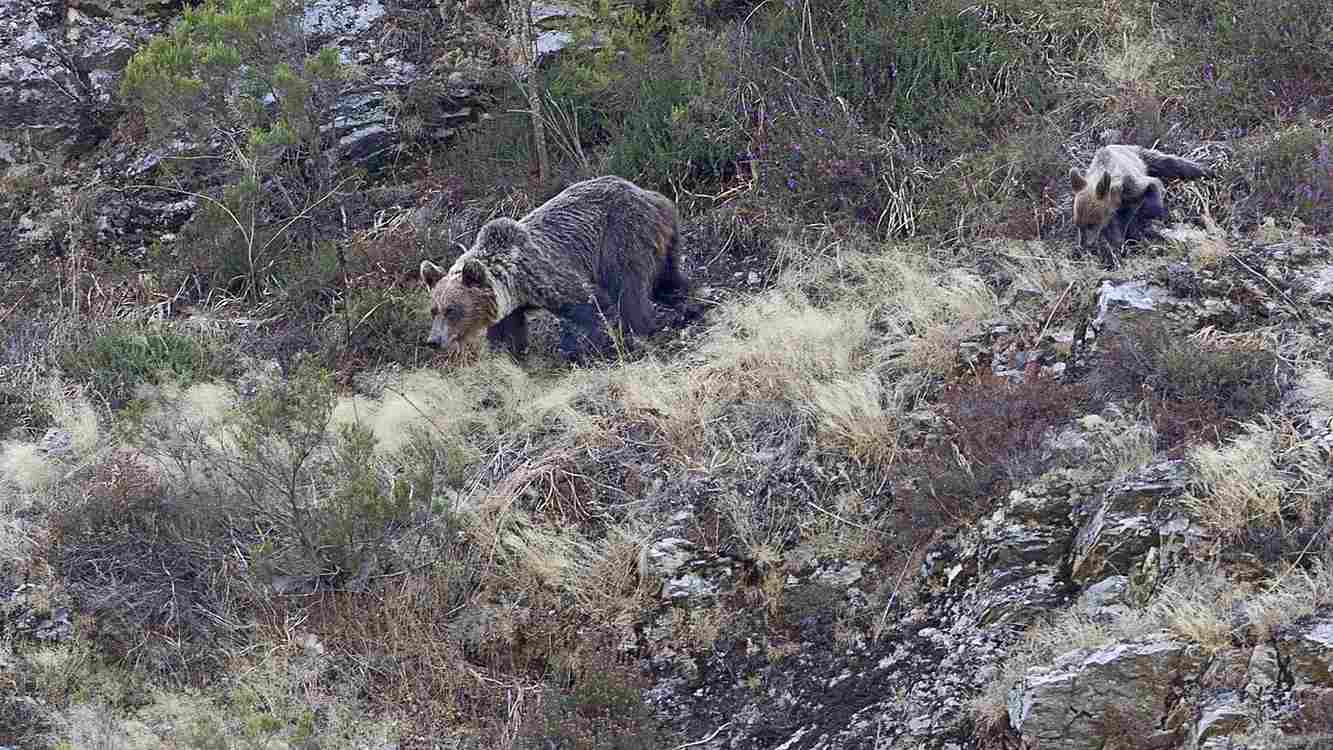
The population of Cantabrian brown bears in Spain doubled to 370 over the last 20 years, expanding their territory to cover 6,500 square miles.
Researchers published a study in the journal Conservation Science and Practice showing how these bears recovered from the brink of extinction. In the early 21st century, the population was estimated at only 140 individuals. While the population dropped by 25 percent between 1982 and 2002, it surged by 70 percent by the end of 2012.
This growth coincided with the creation of Somiedo Natural Park and Redes National Park, which added 688 square kilometers of protected land. The government also enforced fines of up to $350,000 for unauthorized killing of the bears. The bears now inhabit regions including Cantabria, Asturians, Leon, Galicia, and Palencia. Their breeding range expanded by 30 percent during the final study period, allowing two populations that were separated by a highway and a series of gorges to overlap.
Between 2013 and 2022, the bears expanded their geographical range by another 77 percent. They currently occupy over 17,000 square kilometers, and they are expected to move into 5,000 square kilometers of viable habitat in Asturias. The authors warned that local management plans are currently outdated because they underestimate how quickly the bears can colonize new areas. They suggested updating these plans to prevent conflicts between humans and wildlife.
The brown bear serves as a top predator in the European food web by scavenging carrion to prevent disease and dispersing seeds through its fur to support plant biodiversity.
Selected and summarized by local AI How we work