Volunteers Translate Cursive for Historical Archives
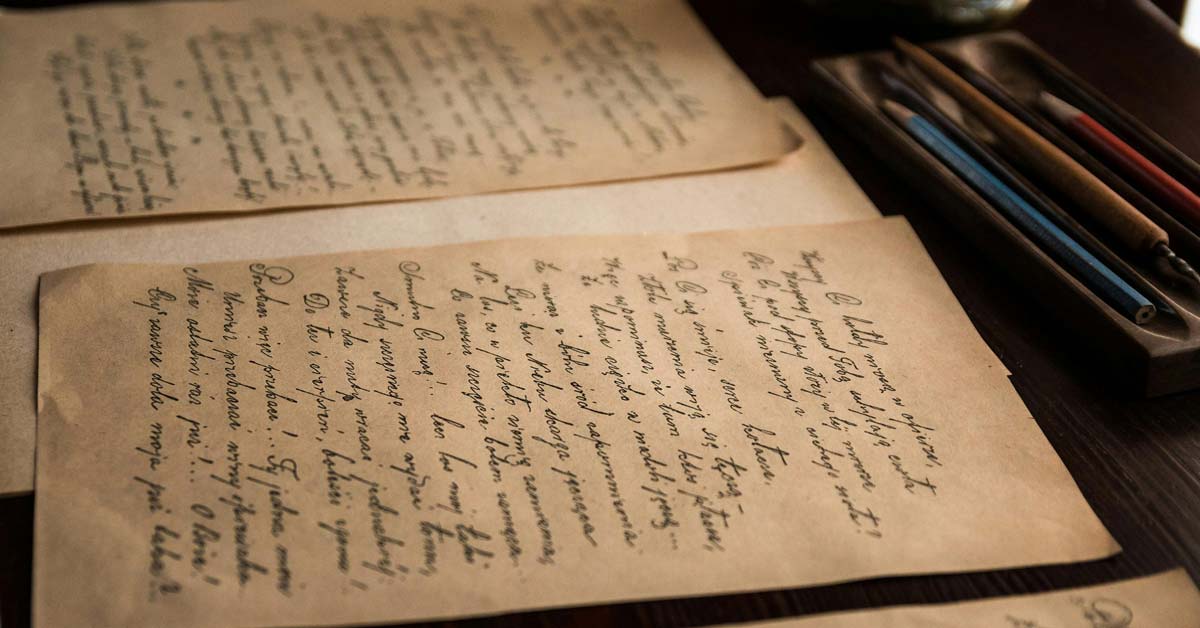
Why this is here: Volunteers are working to digitize materials, ensuring historians can access archives written in a script that is becoming increasingly rare to read.
AmeriCorps volunteers at Bowling Green State University in Ohio are translating cursive handwriting from historical documents. They focus on letters, diaries, and journals held in the university’s archives, with a particular emphasis on preserving women’s history. Volunteers convert the handwritten text into typed documents, increasing accessibility for researchers and the public.
The work isn’t simple. Some handwriting proves difficult to read due to messiness or missing punctuation. Despite these challenges, the group believes digitizing these materials ensures future generations can access and understand past correspondence.
The volunteers acknowledge many historical documents only exist in handwritten form, limiting their online discoverability. They continue to transcribe materials, building a searchable digital resource for community research and public history.
Surfaced by the Belonging lens — one of the vital signs ovr.news reads.
How we evaluated this
AI summary
read the original for the full story — Read on goodgoodgood.co . How we work →