Brazil Extends Program to Bring Electricity to Remote Areas
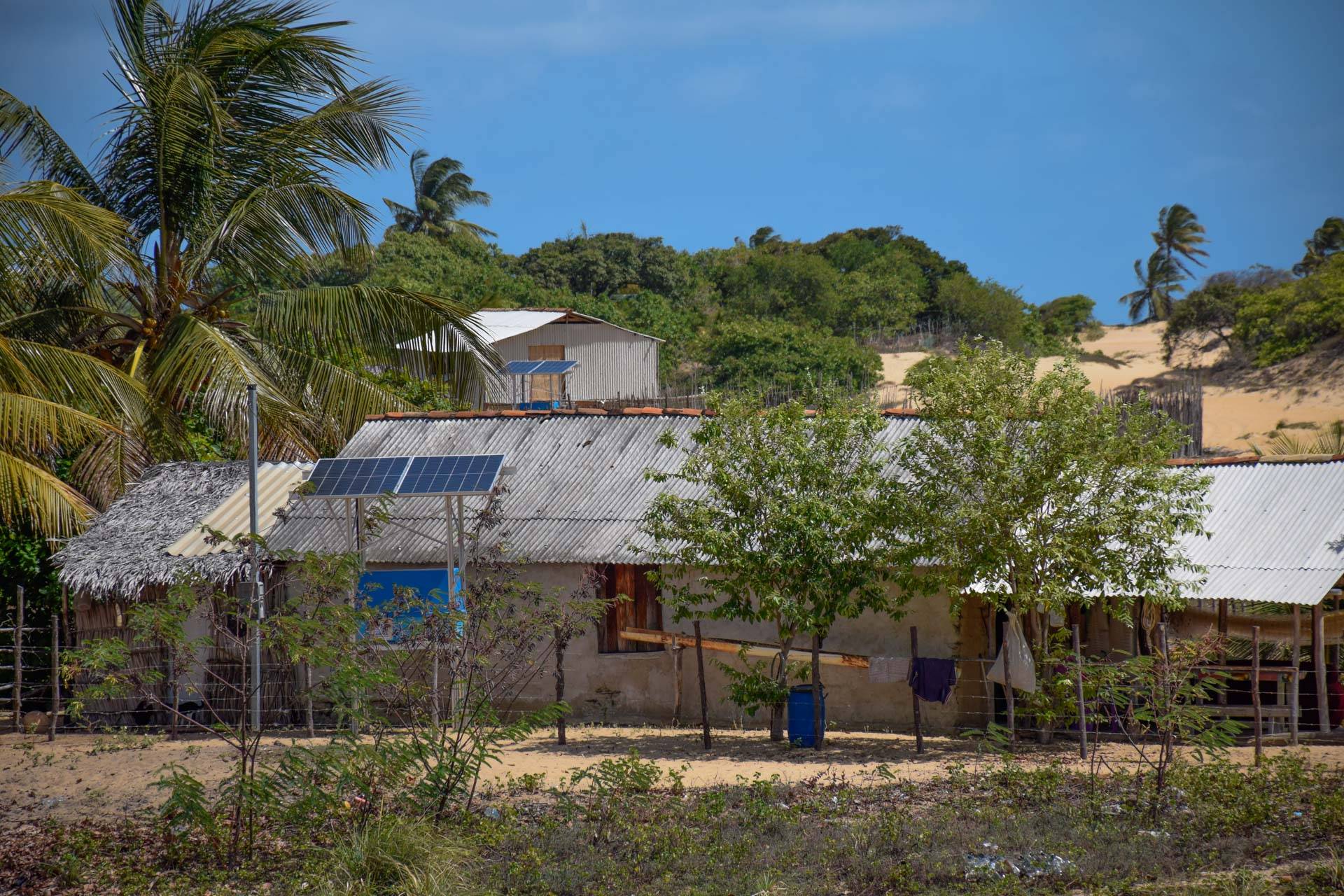
Why this is here: The Luz para Todos program now explicitly recognizes the productive use of energy, allowing residents to invest in equipment like freezers and processing machines.
The Brazilian federal government updated rules for the Luz para Todos (Light for All) program and will continue its execution through December 2029. In 2023, communities like Santana do Arari and Tartarugueiro in the Marajó region of Pará state lacked reliable electricity, relying on costly diesel generators or lacking power altogether. This limited access impacted schools, healthcare, and local economies centered around açaí and fishing.
The updated decree prioritizes families registered with the government’s social programs, specifically those headed by women, Indigenous people, quilombolas, and riverine communities. Institute of Energy and Environment (IEMA) data shows over 3,659 schools and 966 health units in the Amazon Legal region currently lack electricity, affecting more than 74,000 agricultural and extractive operations.
Implementation will require sensitivity to local conditions and respecting community autonomy. Technical failures, like mismatched voltage systems, have previously created problems, described as “energy racism.” The program now emphasizes renewable, decentralized sources and local training for system maintenance, allowing residents to benefit economically from things like refrigeration for fish and açaí processing.
The work to reach universal access requires continued technical oversight and social awareness.
Surfaced by the Solutions lens — one of the vital signs ovr.news reads.
How we evaluated this
AI summary
read the original for the full story — Read on oeco.org.br . How we work →