Brazil’s Climate Debate Excludes Marginalized Groups
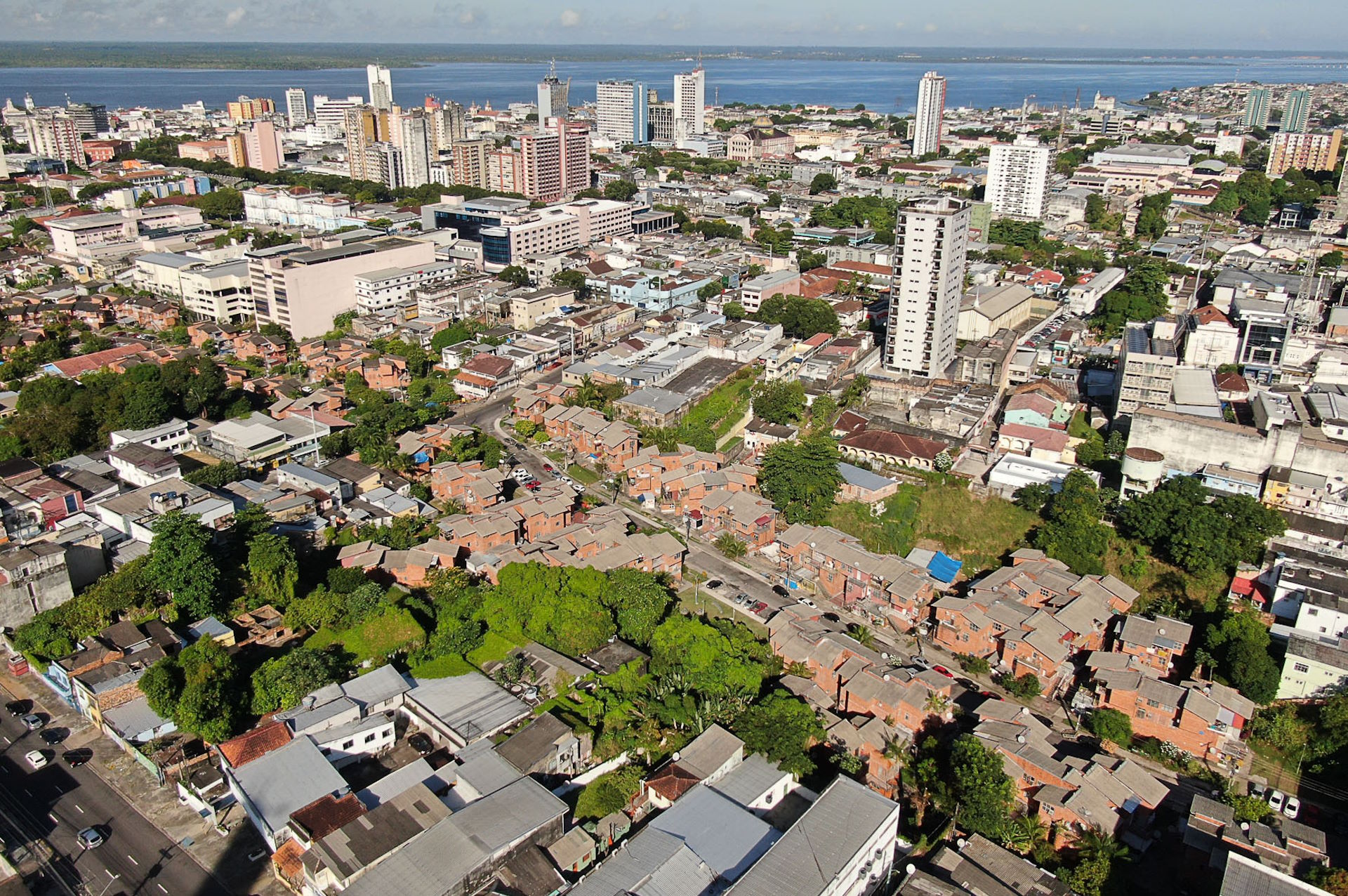
In Manaus, Brazil, while the government promotes “energy transition,” social movements and researchers note a lack of inclusion in climate decision-making. Experts emphasize that Brazil’s historical inequalities are inseparable from the current environmental crisis. Indigenous, quilombolas, and peripheral communities face climate impacts alongside existing issues like poor sanitation and infrastructure.
Journalist and researcher Mariana Belmont explains the concept of “environmental racism,” where certain territories are treated as “sacrifice zones” with polluted environments and forced removals. Though “climate justice” gains international traction, Belmont argues it must better incorporate race, territory, and social inequality within Brazil. A key obstacle is the lack of data showing the correlation between preserved areas and territories occupied by traditional communities, who still face pressure.
Activists in Manaus, like those with the Nepal Vive movement, highlight the invisibility of urban, peripheral Amazonia, even as residents experience flooding and lack basic services. They advocate for environmental education and greater participation in climate discussions, recognizing that meaningful change requires community awareness and engagement. Sara Pereira notes that making the climate debate accessible remains a major challenge, as technical language often excludes those already experiencing the crisis.
Ultimately, experts call for policies co-created with impacted communities, acknowledging the diverse realities of Brazil, particularly in the Amazon. They also emphasize the need to address economic models and labor conditions, ensuring a just transition that includes the rights and well-being of all.
Surfaced by the Discovery lens — one of the vital signs ovr.news reads.
How we evaluated this
AI summary
read the original for the full story — Read on oeco.org.br . How we work →