Spanish brown bears recover, but face new threats
Summary and headline written by AI from the source article. How we work
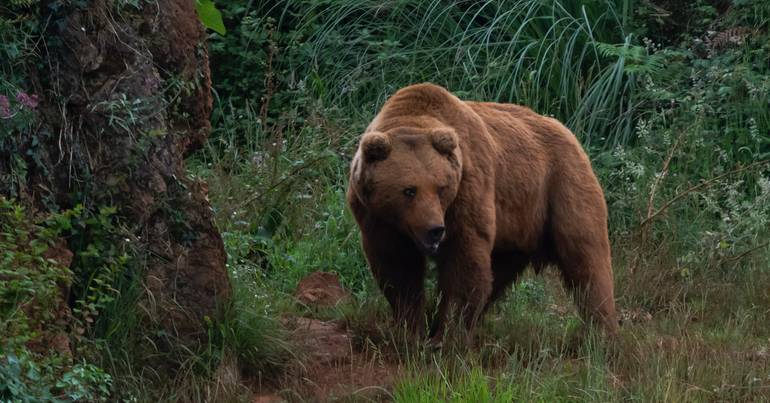
In northern Spain, brown bear populations have rebounded from a low of around 60 in the late 1980s and may now exceed 500 animals.
The recovery is attributed to conservation efforts including a hunting ban implemented in 1973 and the creation of ecological corridors by Fundación Oso Pardo, which plant trees and shrubs to connect bear groups. A 2023 report from the Spanish Ministry of Environment counted approximately 370 brown bears in the region between Galicia and the Basque Country.
Despite this progress, the Cantabrian brown bears, also known as Iberian bears, remain classified as a threatened species. Biologist Alicia Madrid of a conservation organization explained that the next challenge is ensuring genetic diversity by enabling reproduction between currently isolated bear groups. The Parque Natural de Somiedo, established in 1988, has become a key area for both bear conservation and regulated wildlife tourism. Increasing numbers of bears also bring challenges in balancing conservation with the growing interest in bear-watching tourism.
Authorities are managing access to bear habitats, limiting public entry and requiring authorized guides for excursions. While encounters between people and bears are rare, only one attack has been recorded, involving a 75-year-old woman, ongoing protection of habitat and careful tourism management remain essential for the species’ long-term survival.