Fossil Fuel Bans Gain Traction in Latin America
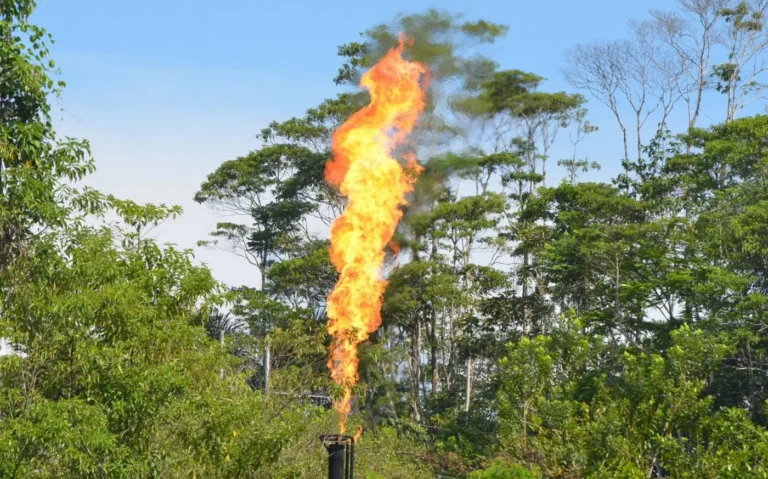
Fifty-seven countries discussed and included “fossil fuel free zones”, areas prohibiting oil extraction in ecologically sensitive regions, as objectives at April’s Conference on Transitioning Away from Fossil Fuels in Colombia. Activists and academics have advocated for these zones for over a decade, with a framework developed inspired by Nuclear-Weapon-Free Zones.
These areas offer governments a concrete step toward energy transitions, particularly as demands for specific climate action increase. Currently, over 500 such zones exist globally, including areas in Belize, Costa Rica, Canada, and Mexico.
Colombia recently prohibited new oil and mining projects in the Amazon and declared the Sierra Nevada de Santa Marta a fossil fuel free zone, though this is threatened by a change in leadership. Implementing these zones faces challenges, including political instability and economic dependence on fossil fuels.
However, proponents argue that establishing these zones is often cheaper and easier than building new energy systems, relying on existing legislation. The durability of these zones hinges on solid legal frameworks to withstand political shifts.
Surfaced by the Solutions lens — one of the vital signs ovr.news reads.
How we evaluated this
AI summary
read the original for the full story — Read on nexojornal.com.br . How we work →