Latin American Football Reflects Politics
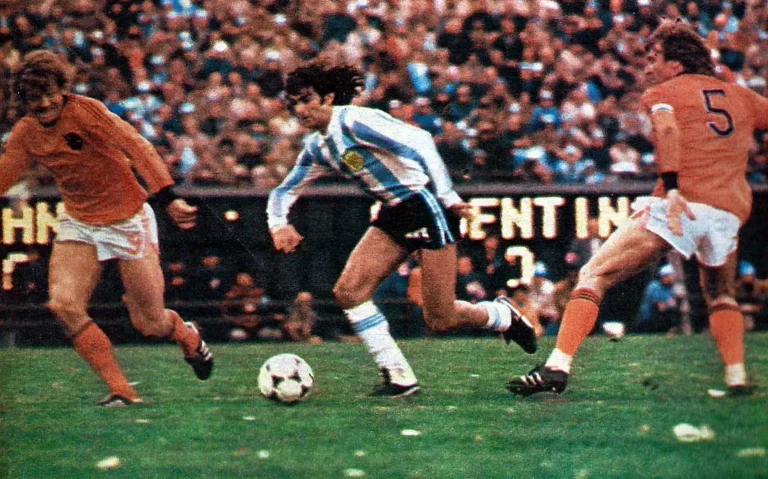
Why this is here: Following the 1995 Bosman Law, the liberalization of the European market facilitated a mass migration of Latin American football players to European clubs.
In Latin America, football shapes and reflects political and social dynamics. Since the 19th century, the sport has mirrored the region’s political, economic, and social structures. The organization of football divides along geographic lines—South America’s Conmebol and the more diverse, US-influenced Concacaf—reflecting distinct political trajectories and historical ties to the United Kingdom.
Early 20th-century modernization saw Latin American elites adopt football, creating national narratives and regional rivalries, like those between Buenos Aires and the Argentinian interior. The sport became a mass phenomenon with professionalization, although some on the left initially viewed it as a tool for social control. Football offered a path for Afrodescendants like Pelé and Garrincha to achieve social mobility, embodying a concept of “racial democracy” in Brazil.
Populist and military governments later used football for national cohesion and propaganda, while figures leveraged club ownership for political gain. Despite this, movements like Brazil’s Democracia Corinthiana showed the sport could also be a space for democratic resistance, even amidst rising issues of organized fan violence and drug trafficking. Today, globalization sees a large outflow of Latin American players to Europe, mirroring traditional economic patterns.
Surfaced by the Discovery lens — one of the vital signs ovr.news reads.
How we evaluated this
AI summary
read the original for the full story — Read on nexojornal.com.br . How we work →