Polish workers’ Defense Committee built civic society
Summary and headline written by AI from the source article. How we work
In Poland, fourteen people signed a document on September 23, 1976, responding to the repression of workers who protested in June of that year.
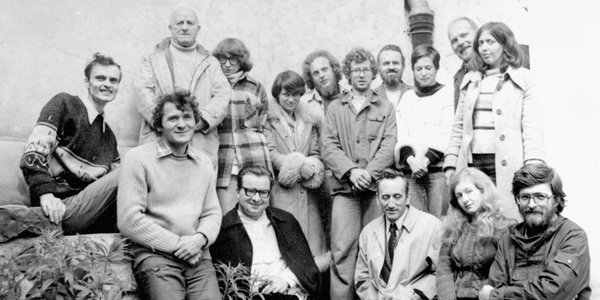
These individuals unintentionally formed an organization, the Workers' Defense Committee, or KOR, that became a vital part of the democratic opposition in Poland. KOR did not overthrow communism or represent the only opposition group. Instead, it pioneered a new way of operating, openly, based on solidarity, self-organization, and defending civil rights.
The formation of KOR resulted from several years of growing opposition movements. The group combined experiences from earlier protests, intellectual and worker circles, and the events of June 1976 to create a new approach to opposition activity. Members openly used their real names and provided contact information, knowing it would lead to surveillance and repression from the Security Service. During the 1970s, Poland experienced a period of apparent stability under Edward Gierek’s leadership.
The new leader of the Polish United Workers' Party withdrew price increases and began modernizing the country with Western loans. However, beneath the surface, Poland remained a one-party state aligned with the Soviet Union, lacking free elections, independent organizations, or freedom of speech. The security apparatus continued to persecute political opponents. In response, intellectuals began signing open letters defending political prisoners and people living in the Soviet Union, gradually building a group prepared for more decisive action.
KOR’s founders included Jerzy Andrzejewski, Stanisław Barańczak, and Jacek Kuroń, representing diverse generations and backgrounds. They agreed that defending citizens against persecution was paramount, and they operated with transparency, publicly listing their names and contact details despite the risks. This openness distinguished KOR from previous opposition groups and made it difficult for the authorities to portray them as a secret organization. The group also created a network of doctors, lawyers, and volunteers, demonstrating a new kind of civic engagement.