Anooradha Iyer Siddiqi examines refugee camp architecture in Kenya
Headline and summary by local AI
Anooradha Iyer Siddiqi explores the architectural and social histories of the Dadaab refugee camps in Kenya, where the Kenyan government and the United Nations High Commissioner for Refugees established settlements in 1991.
Her work challenges the idea that these spaces are merely temporary emergency zones. Instead, she describes them as complex environments with deep histories of migration, domesticity, and material aesthetics. Iyer Siddiqi based her research on 14 years of feminist and critical collective practice.
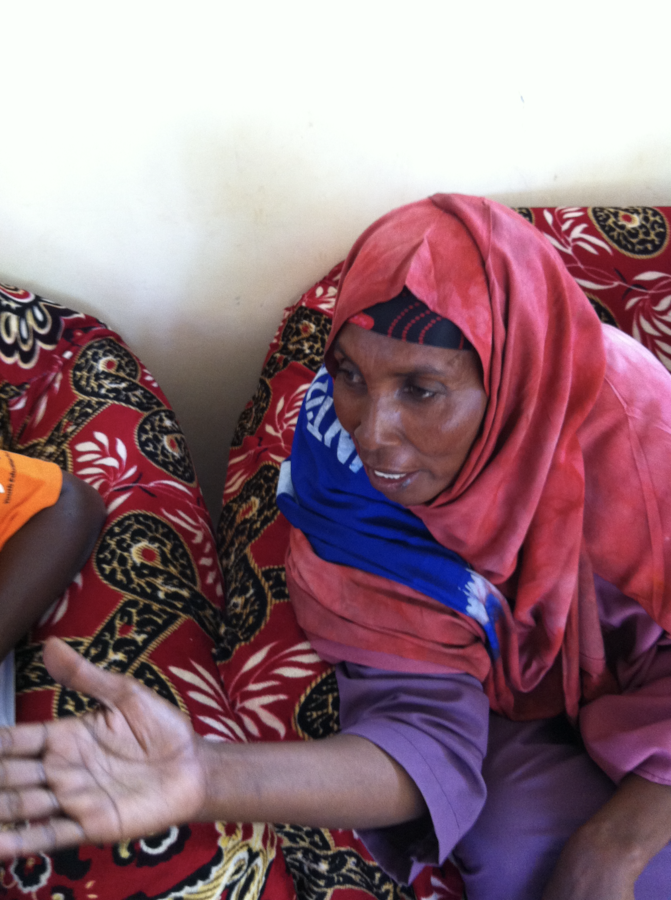
She interviewed hundreds of women, including camp builders and residents like Ifo camp Chairlady Isnina Ali Rage and shopowner Shamso Abdullahi Farah. These interactions helped her identify how African, Muslim, and Afro-Asian aesthetic worlds shape the physical construction of the camps. She argues that the handcrafted acacia environments reflect the social and ecological worldmaking of Global South feminists. The author connects the current state of Dadaab to historical partitions and colonial legacies.
She argues that humanitarian environments intended for temporary use paradoxically create permanent settlements. By looking at the bureaucratic shaping of borders in regions like Somalia and Palestine, she suggests that these camps are not just accidents of history but results of deliberate political and architectural actions. Her work links these local experiences to broader global histories of displacement and racial thought.
Selected and summarized by local AI How we work
Discovery: Archaeology, new knowledge of art, culture and history, forgotten history uncovered, something lost restored.