Algeria Maintains Water Rationing Despite Full Dams
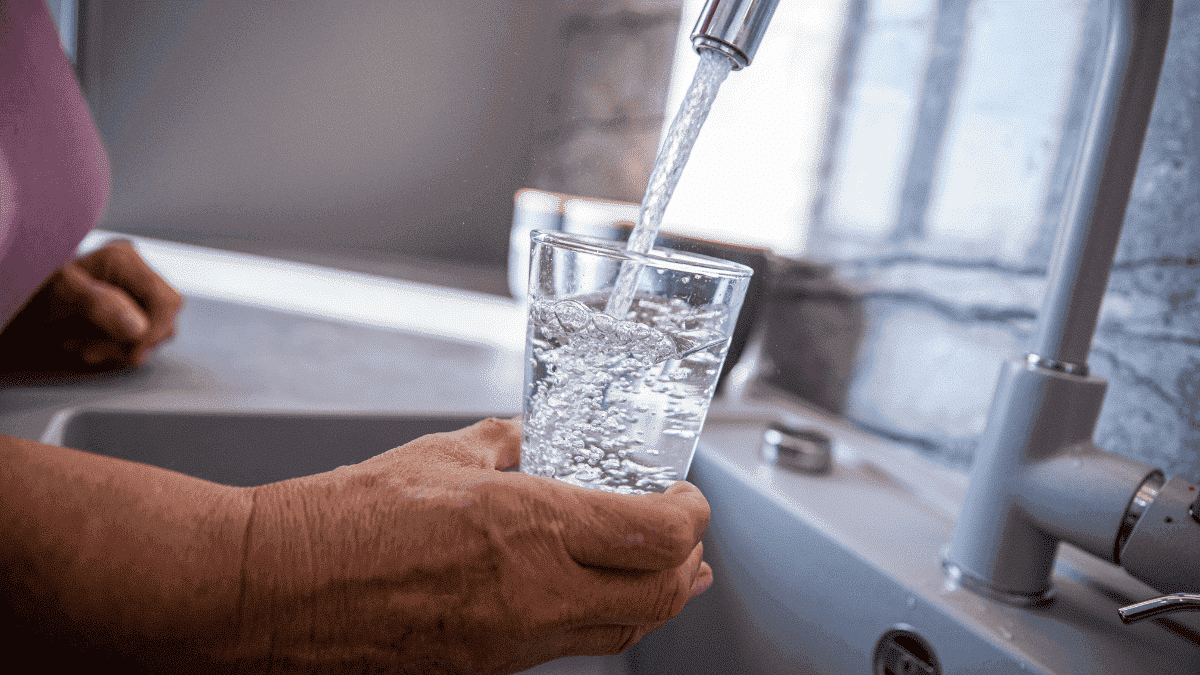
Why this is here: Algeria currently meets about 42% of its potable water needs through desalination, and plans to increase that figure to 60% by 2030 with additional plants under construction.
Mustapha Zebdi, president of the Algerian Association for Consumer Protection and its Environment, recently questioned water distribution in Algiers. Zebdi addressed a letter to the director of the Algiers Water Management Company, seeking intervention from the Minister of Hydraulics and the Wali of Algiers. He notes a contradiction between plentiful water sources and continued rationing, which began in 2021.
Algeria experienced exceptional rainfall in the winter of 2025-2026, replenishing dams after eight years of drought. The country also inaugurated five new large desalination plants in Oran, Tipaza, Béjaïa, El Tarf, and Boumerdès during 2025. Despite these gains, water access in Algiers remains restricted.
Zebdi calculates that Algiers produces roughly 491 million cubic meters of water annually—about 1.345 million cubic meters daily—for a population of 5.3 million. This equates to approximately 253 liters per person per day, exceeding the global average of 137 liters.
He asks why citizens aren’t experiencing improved access, despite the increased production capacity. While Algeria aims to cover 60% of its potable water needs through desalination by 2030, the current system of distribution remains unchanged.
Surfaced by the Solutions lens — one of the vital signs ovr.news reads.
How we evaluated this
AI summary
read the original for the full story — Read on tsa-algerie.com . How we work →