New Zealand Avoided Mongoose Introduction
Why this is here: Between 1883 and 1892, a minimum of 7,838 British stoats and weasels were intentionally released into New Zealand to control the rabbit population.
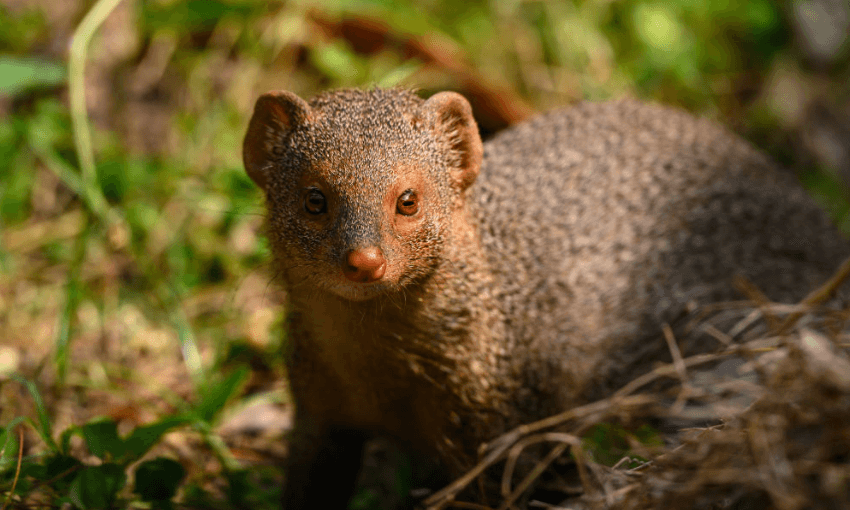
In the 1880s, New Zealand considered introducing mongooses to control the rabbit plague, but ultimately decided against widespread releases. A 2017 paper by University of Waikato’s Dr.
Carolyn King details the debates. Releases occurred in Winton and Kaikōura, New Zealand, due to private citizens importing the animals. These small populations did not survive, unlike in Hawai’i, where introduced mongooses caused six native species to go extinct.
New Zealand already struggled with invasive predators like stoats, rats, and possums. Contemporary scientists warned about the impact mongooses would have on native birds, but these concerns were initially ignored, similar to the warnings about rabbits. One account describes a mongoose on a steamer as a relentless killer of rats, “murder incarnate” tearing through the ship.
While New Zealand has a high number of introduced species, officials eventually sided with botanist Daniel Morris, who deemed mongooses “an unmitigated nuisance” in other colonies. The country continues to grapple with existing invasive species, but avoided one potentially devastating addition.
Surfaced by the Recovery lens — one of the vital signs ovr.news reads.
How we evaluated this
AI summary
read the original for the full story — Read on thespinoff.co.nz . How we work →