New Zealand’s Indian pioneers gain recognition for resilience
Summary and headline written by AI from the source article. How we work
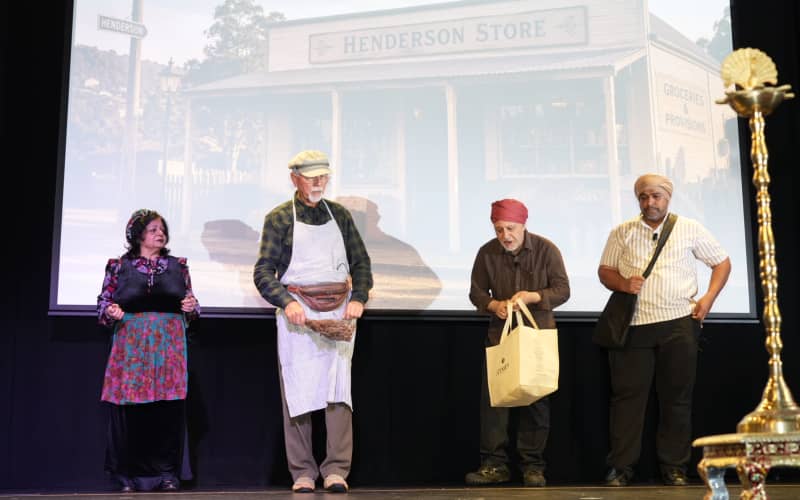
In Auckland, New Zealand, the Indian Association Manukau presented a theatrical production celebrating the history of Indian migrants and their integration into New Zealand society.
The show commemorated the centenary of the New Zealand Indian Central Association, founded in 1926 to address increasing racism.
The production drew from historical research, including the books Indian Settlers and Invisible: New Zealand’s History of Excluding Kiwi Indians, to portray the experiences of early Indian settlers like brothers Bir and Phuman Singh Gill, and Keshaw Daji, believed to be the first Gujarati to arrive in New Zealand around 1902.
The play highlighted the discrimination faced by the community, including exclusion from public spaces and verbal abuse, and how they formed associations, starting with the Auckland Indian Association in 1920, to collectively fight for their rights as British subjects. The formation of the New Zealand Indian Central Association in 1926 united these groups against growing racism and restrictive immigration policies like the 1920 Immigration Restriction Amendment Act.
Alongside the theatrical production, the New Zealand Indian Central Association released a documentary, Lotus in the Long White Cloud, detailing instances of racism and the achievements of early migrants. Another documentary, Punjab to Aotearoa, traced the history of Indian migration from the Punjab region. An exhibition, Asha ka Darwaza (Doorways of Hope), displayed artifacts and photographs celebrating the community’s cultural heritage.
Veer Khar, president of the New Zealand Indian Central Association, expressed hope that the government will formally acknowledge the historical racism faced by the Indian community, similar to apologies made to Chinese and Pacific Islander communities.