Ecuador’s indigenous forests outperform state protection
Summary and headline written by AI from the source article. How we work
In Ecuador, forests managed by Indigenous communities are healthier and more resilient than those protected by the government.
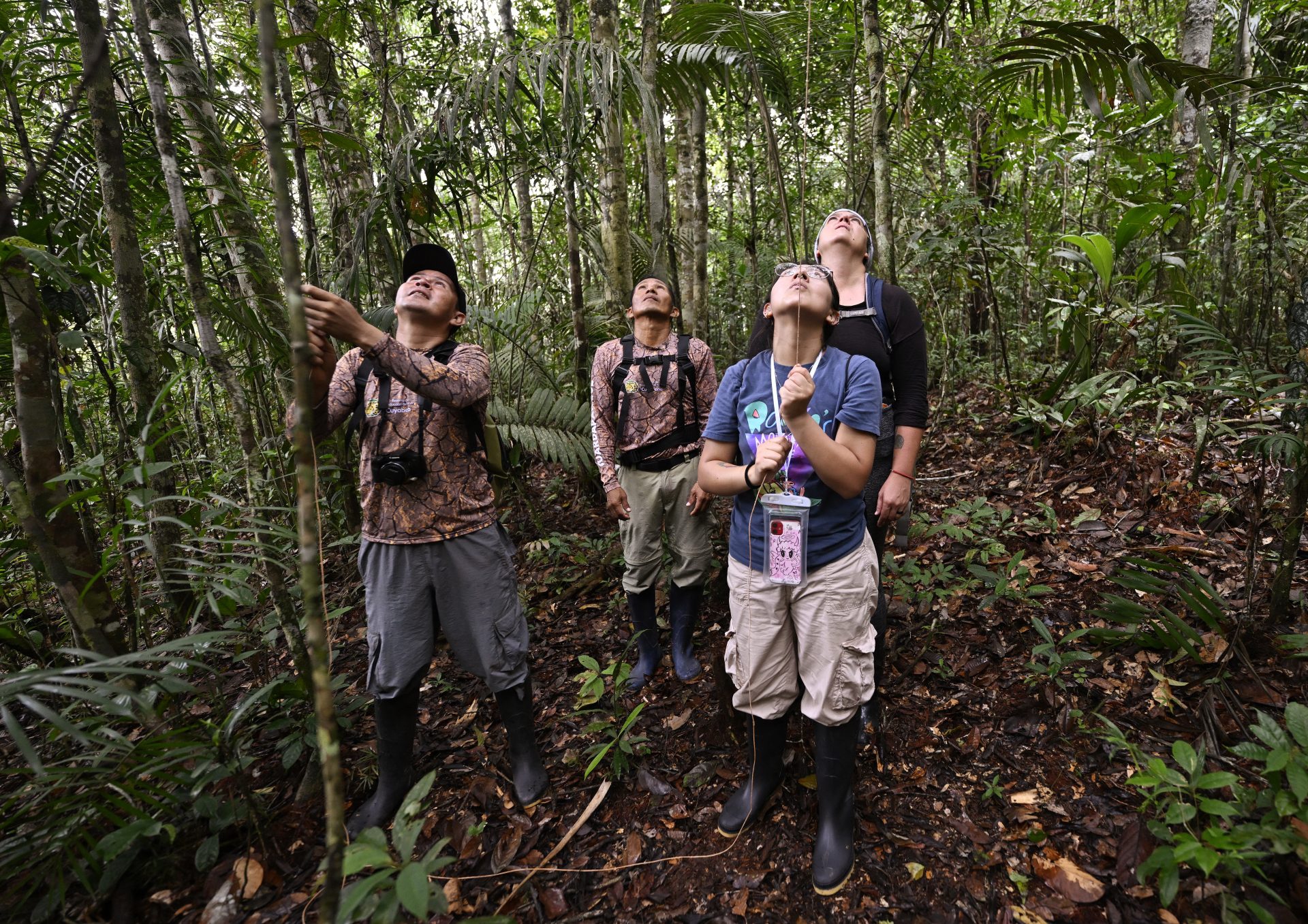
A study published in Biological Conservation compared forest health across Ecuador’s Amazon region, analyzing satellite data from the last decade. Researchers examined areas under government protection, those managed by local communities through formal conservation agreements, and Indigenous territories without such agreements. The study revealed that forests under Indigenous management demonstrated greater resilience, particularly during droughts like the 2015-2016 El Niño event.
While government-protected areas and Indigenous territories without formal agreements showed similar short-term forest health, Indigenous-managed lands outperformed them over the long term, exhibiting better vegetation growth. Ecuador contains 120,000 square kilometers of Amazon rainforest, which holds 8% of the world’s animal species and 10% of its plant life. The country has struggled with increasing deforestation since the 1990s due to agricultural expansion, fires, and resource extraction, but deforestation rates have decreased in recent years.
The Ecuadorian government established a National System of Protected Areas and a system of Payments for Ecosystem Services to combat deforestation, but the new research suggests Indigenous practices offer a more effective approach to long-term forest health. Researchers emphasize the need to study and incorporate Indigenous land management practices to improve government-led conservation efforts.