Stonehenge ‘Shaman’ Identified as Woman After DNA Analysis
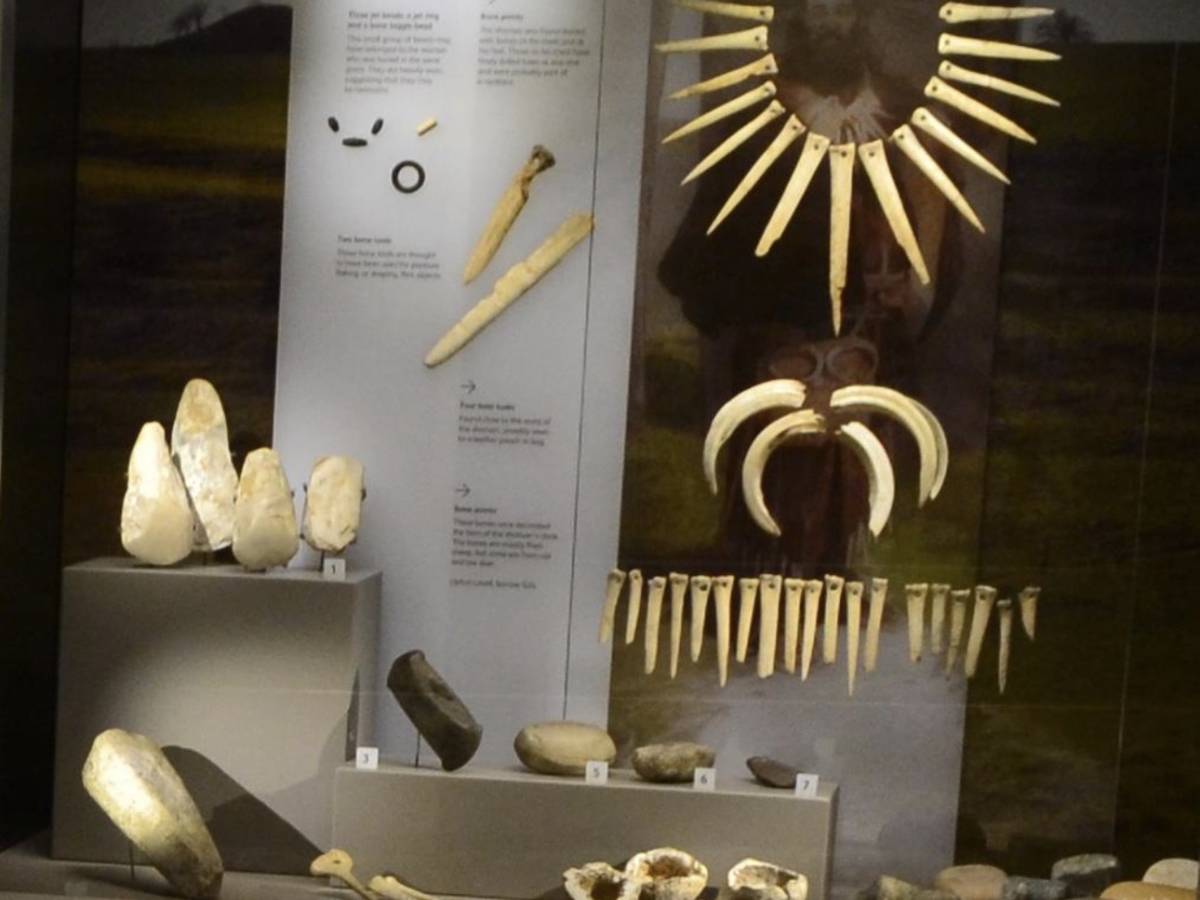
Archaeologists in Wiltshire, England, determined the individual known as the “Upton Lovell shaman”, a significant burial from the British Bronze Age found near Stonehenge in 1803, was actually a woman. For nearly two centuries, researchers believed the skeleton belonged to a robust man, an artisan capable of working gold and therefore a shaman, based on the size of the bones and the rich burial goods.
Recent DNA analysis of samples from the skull, a tooth, and a foot bone revealed XX chromosomes, definitively identifying the individual as female. The initial analysis wasn't focused on sex determination but on tracing ancestry.
The woman, who lived around four thousand years ago, was approximately 1.65 meters tall and showed signs of arthritis in her right wrist, suggesting extensive manual labor. Her burial included stone tools, a battle-axe, metalworking implements, and a decorated bag with boar tusks, leading to the shamanic attribution.
A 2022 study also indicated the presence of gold traces on the tools, suggesting she may have been a skilled goldsmith. While this discovery doesn’t automatically rewrite the social structure of the Bronze Age, it demonstrates a woman could be strong, a specialized craftsperson, and receive an elaborate burial.
Surfaced by the Discovery lens — one of the vital signs ovr.news reads.
How we evaluated this
AI summary
read the original for the full story — Read on ilgiornale.it . How we work →