Hormuz Strait Disruptions Expose Fertilizer Supply Risks
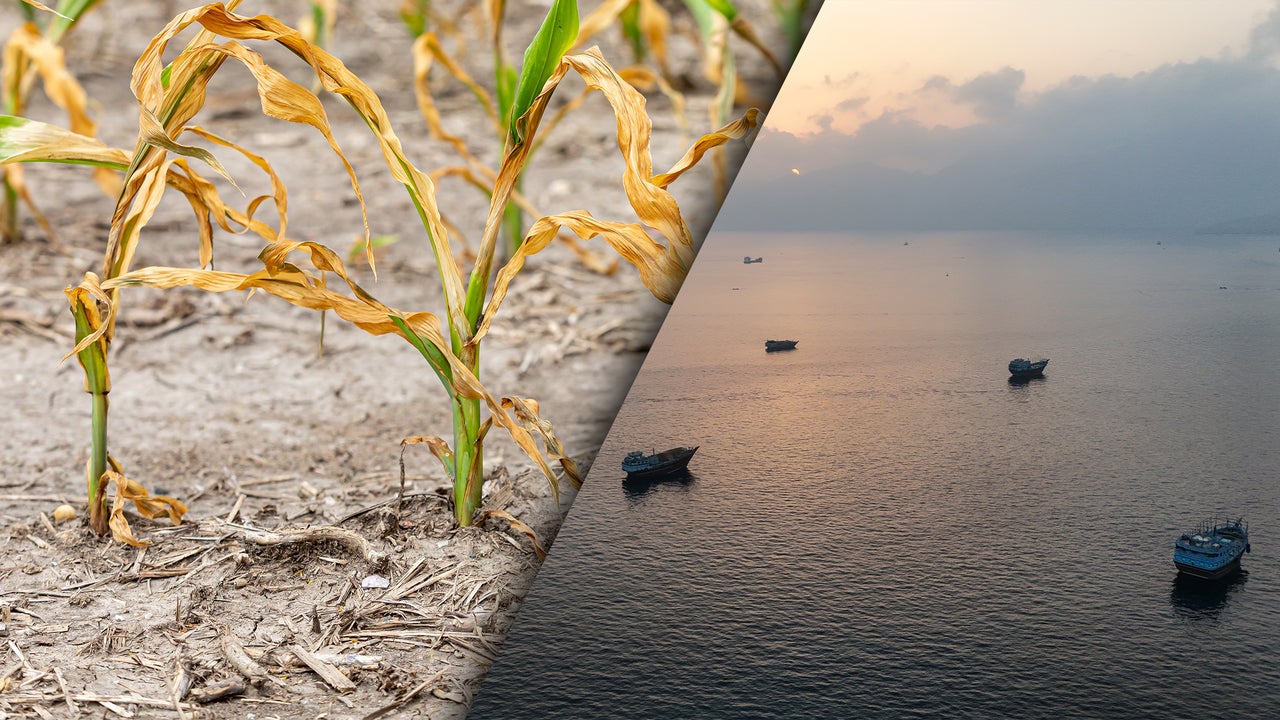
Companies are developing new fertilizer technologies as disruptions to the Strait of Hormuz, a key route for nearly a third of the world’s fertilizer supply, drive up prices and threaten global food security. The conflict in Iran, like the war in Ukraine, has exacerbated existing supply chain vulnerabilities tied to natural gas, a primary ingredient in most fertilizers.
Startups like Ostara and NPHarvest in Europe are capturing nitrogen and phosphorus from wastewater to create fertilizer, offering a potentially cheaper and more sustainable alternative. Recovered Potential and Nitricity are also pioneering innovative methods, utilizing electricity and renewable energy to extract ammonia and create fertilizer from air and farm waste.
While wastewater sources can only offset 20% to 30% of conventional fertilizer needs, and regulations impact feasibility, these technologies offer a path toward localized production and reduced reliance on volatile global supply chains. The industry may need to shift away from centralized plants dependent on natural gas to more distributed, renewable-powered facilities.
Surfaced by the Solutions lens — one of the vital signs ovr.news reads.
How we evaluated this
AI summary
read the original for the full story — Read on fastcompany.com . How we work →