Wild Cats Hold Key to Domestic Feline Temperament
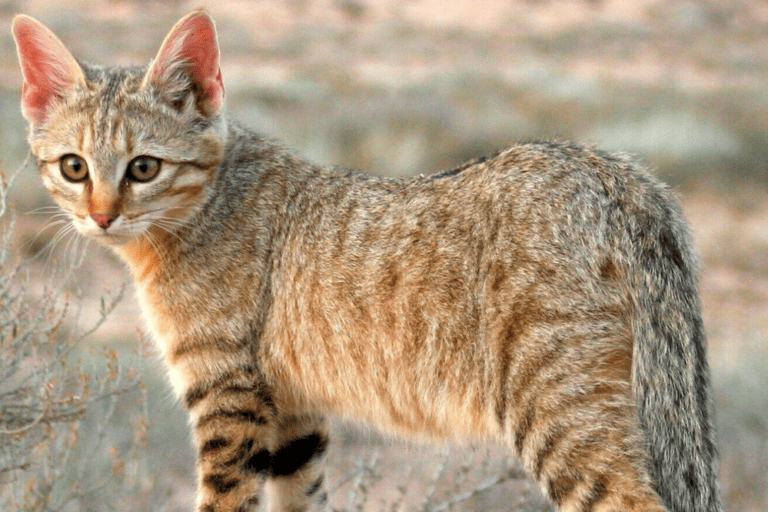
Researchers in Africa and Asia are studying Felis lybica, the wildcat ancestor of today’s domestic cats, to understand how felines became so easily tamed. These wildcats historically roamed grasslands, deserts, and shrublands across a vast range from Africa to China. Though closely resembling domestic cats in size, Felis lybica has longer legs, reddish-orange ears, and camouflage coloring.
The relationship between humans and Felis lybica began roughly 10,000 years ago in the Fertile Crescent, as cats preyed on rodents drawn to early agricultural stores. Tolerant cats benefited from the reliable food source, and humans benefited from pest control, leading to domestication. Felis lybica remains a solitary, nocturnal hunter, adapted to traverse anywhere from small to vast territories depending on resource availability.
Despite being the ancestor of a globally popular pet, Felis lybica receives limited conservation attention and is currently listed as Least Concern by the IUCN, a classification scientists believe may be inaccurate due to lack of population data. Interbreeding with domestic cats poses a threat to the species’ genetic purity.
Surfaced by the Discovery lens — one of the vital signs ovr.news reads.
How we evaluated this
AI summary
read the original for the full story — Read on mongabay.co.id . How we work →