Hungary implements new protocol to combat rising congenital syphilis rates
Summary and headline written by AI from the source article. How we work
Hungary’s National Center for Public Health and Pharmacy (NNGYK) issued new guidelines for hospitals to reduce the number of babies born with syphilis.
Since 2021, the country has seen a significant increase in congenital syphilis cases. In 2023, 91 cases were recorded, and in the first eight months of 2026, that number rose to 100. Last year, 26 children in Hungary died from the infection, with 23 deaths registered by August of this year.
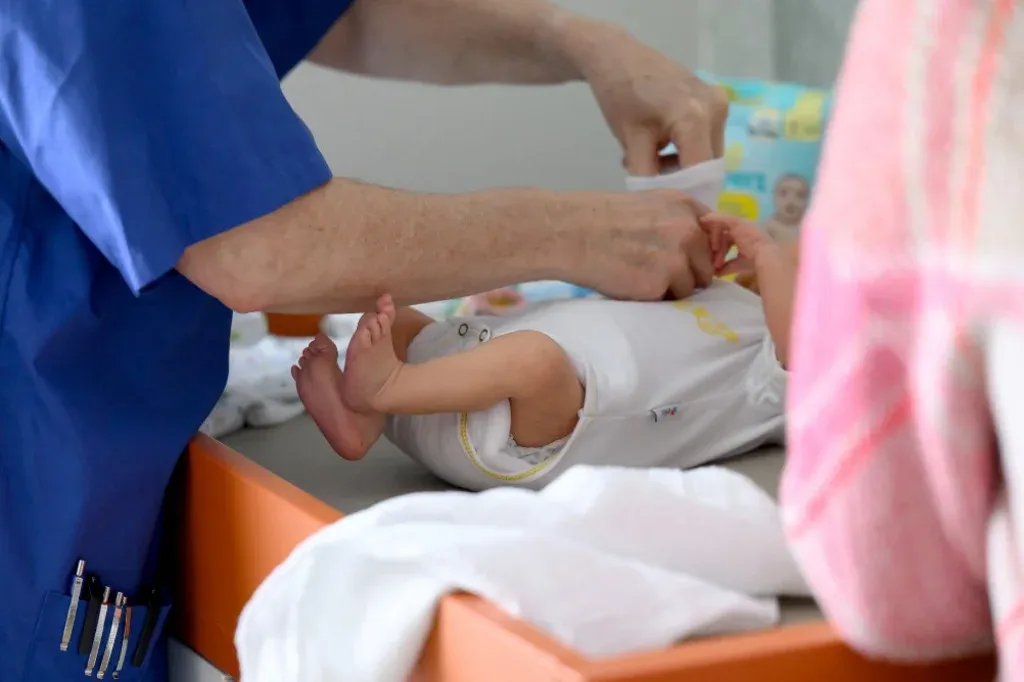
The new, nationally standardized protocol prioritizes identifying and treating pregnant women with syphilis promptly to prevent transmission to their babies. Starting in September, pregnant women will receive syphilis screenings during the first and between the 24th and 28th weeks of pregnancy. This requirement applies to all pregnancies, even those already underway before September 1st, with testing conducted at the next prenatal visit.
Additionally, healthcare providers must perform rapid syphilis tests on women during labor who have not received prenatal care or are considered high-risk for infection. If the test is positive, mothers and newborns must immediately receive appropriate treatment, primarily antibiotics. The NNGYK emphasizes that every positive test result requires a response. Penicillin treatment for confirmed cases must begin within 72 hours of diagnosis, and healthcare workers must identify and notify sexual partners within 48 hours to prevent re-infection.