Publisher removes 101 pages from original Dracula manuscript
Headline and summary by local AI
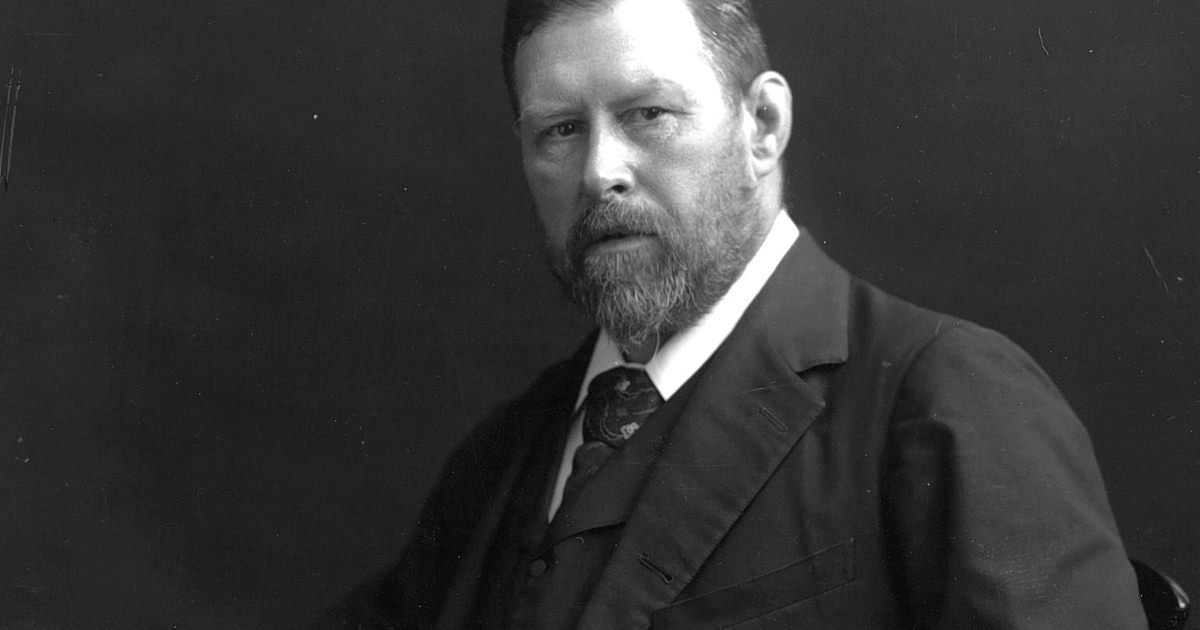
Bram Stoker visited a lending library in Whitby, England, in the summer of 1890 to research a specific book about the principalities of Wallachia and Moldavia.
He did not read the entire volume but took notes from a specific chapter. Following this, Stoker studied maps at the Whitby Museum to plot a route from London to the mountains of Romania.
He also spoke with members of the Royal Lifeboat Institution at the port, who told him about a ship called the Dmitri that had arrived from Varna with cargo of soil. Stoker's research was influenced by a friend, Armin Wampyr, who suggested specific details to look for in the library. During this period, Stoker changed the name of his primary subject from Count Wampyr to Count Dracula.
He sought to present the story as a true warning about a real evil rather than a work of fiction. He claimed that several characters in the book were based on real people and insisted that they had told him the truth. The publisher, Otto Kilman of Archibald Constable & Company, refused to publish the manuscript in its original form.
He feared the story would cause public panic in London, which was then recovering from a series of horrific murders in Whitechapel. Kilman demanded the removal of realistic elements to ensure the work was seen as a novel. When the book was finally published on May 26, 1897, the first 101 pages were missing, and tens of thousands of words were deleted. The original manuscript was discovered in a barn in rural northwestern Pennsylvania during the 1980s.
It now belongs to Microsoft co-founder Paul Allen and begins on page 102. While the missing pages remain a mystery, some fragments have surfaced in a recent Icelandic first edition and in the novella Dracula's Guest.
Selected and summarized by local AI How we work
Discovery: Archaeology, new knowledge of art, culture and history, forgotten history uncovered, something lost restored.