Mercury contamination from ancient Maya pigments remains in Central American lakes
Headline and summary by local AI
Scientists discovered mercury traces in ancient lake sediments in Central America, revealing the environmental impact of Maya cultural practices.
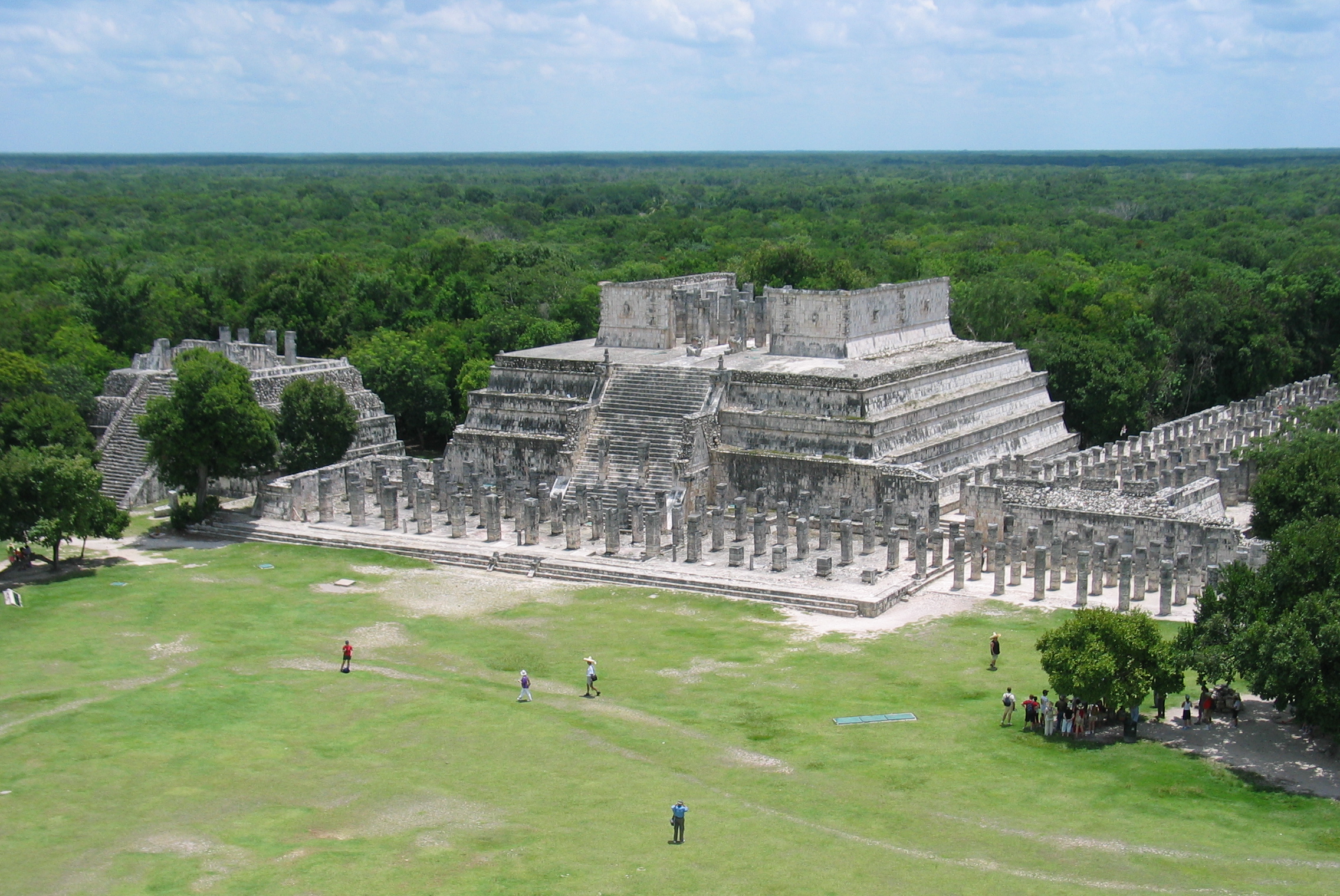
The Maya civilization used cinnabar, a bright red mineral containing mercury sulfide, extensively in their religious and political traditions. The people used this pigment to decorate temple walls, adorn objects, and line royal tombs because the color symbolized blood, life, and death.
Researchers analyzed lake sediments to reconstruct how the transport and processing of this mineral led to mercury accumulation in the soil and aquatic ecosystems. Because inorganic mercury can transform into highly toxic methylmercury, it enters the food chain and accumulates in aquatic organisms. This chemical legacy persists in the environment centuries after the height of the Maya civilization.
Selected and summarized by local AI How we work
More in Discovery

Archaeologists reconstruct face of Roman era man found decapitated in Scotland
smithsonianmag.com · 3 Nov 2026

Genetic research identifies five distinct species of Alpine newts in Europe
phys.org · 12 Nov 2026

A telegram reveals Rebecca West's hidden influence on a refugee's fate
thelampmagazine.com · 6 Nov 2026