Ancient Wound Reveals Early Evidence of Interpersonal Violence
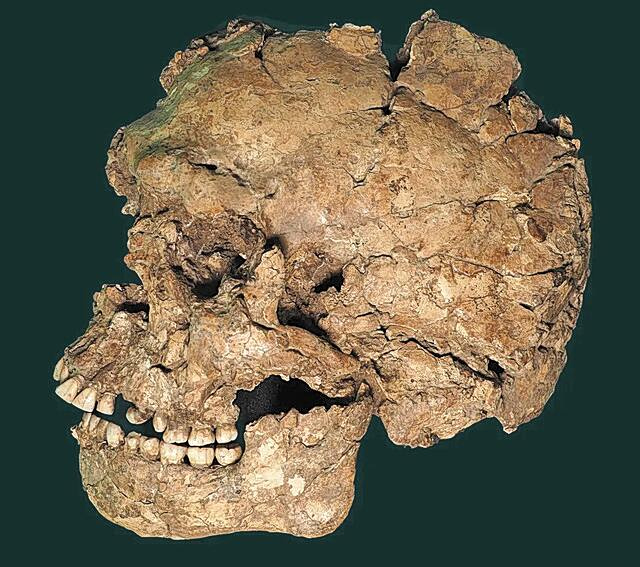
Archaeologists in Israel discovered evidence that a young Homo sapiens man lived approximately 100,000 years ago survived an attack with a sharp object. Researchers studying the skeleton, known as Qafzeh 25, found a healed wound on his jaw consistent with a penetrating injury inflicted while he was alive.
The skeleton was originally excavated in 1979 from the Qafzeh cave, a significant prehistoric site discovered in 1933, and is currently housed at Tel Aviv University. The team determined the wound was likely caused by a flint tool, though they haven’t ruled out an accidental cause.
Importantly, the bone showed signs of healing, indicating the man lived for a considerable time after the attack and that the wound did not become infected. This finding is rare because injuries from sharp weapons are scarce in the Middle Paleolithic period. Qafzeh 25 may represent the earliest known documented case of trauma from a sharp weapon, offering insight into the potential for violent conflict among early humans and the role of community care in survival.
Surfaced by the Discovery lens — one of the vital signs ovr.news reads.
How we evaluated this
AI summary
read the original for the full story — Read on tanea.gr . How we work →