Wildlife recovery efforts show promise across Eurasia
Summary and headline written by AI from the source article. How we work
Scientists and conservationists in several Eurasian countries are working to protect threatened animal populations by combining research, technology, and direct habitat management.
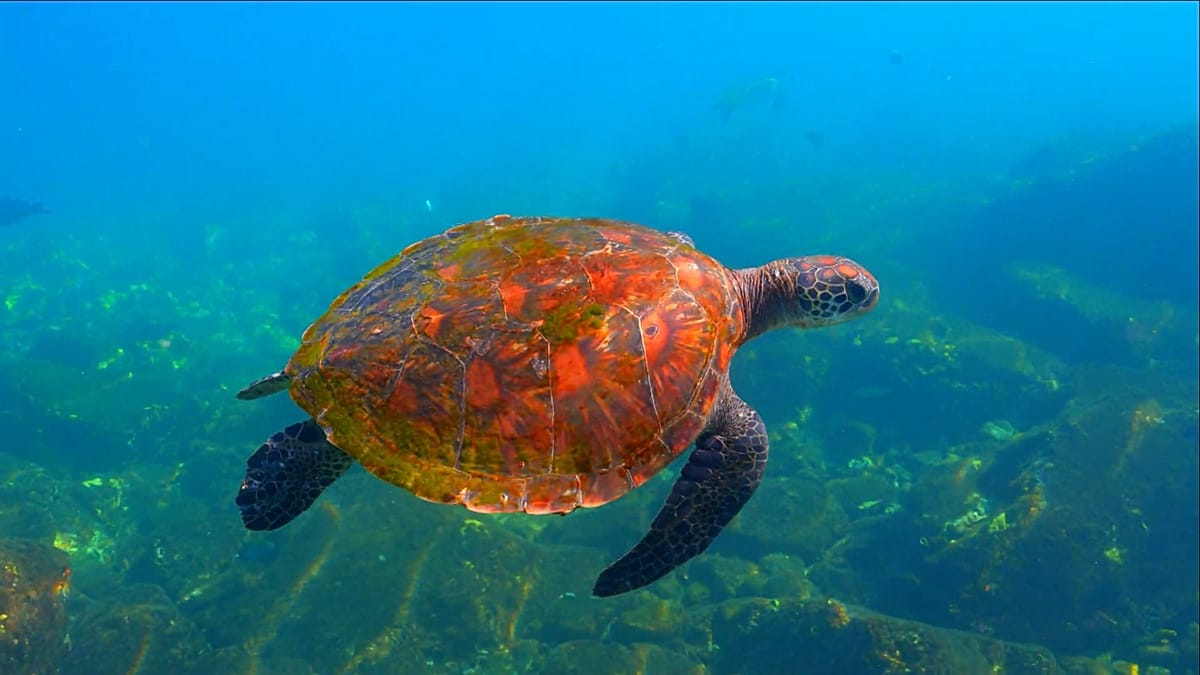
At the Sharjah Marine Science Research Centre in the UAE, researchers are studying how marine life might respond to warmer, more acidic ocean conditions. They use artificial intelligence to identify individual sea turtles by their facial scales and are growing coral fragments to restore reefs already experiencing high temperatures.
In Uzbekistan, the Saygachiy Complex Landscape Sanctuary protects saiga antelopes by providing supplemental food and water. Staff maintain 83 wells across the 600,000-hectare area to support the animals, recognizing that saiga migrate across borders, requiring international cooperation. Further west in Karakalpakstan, the Sudochye lake system, a vital stopover for migratory birds and Uzbekistan’s only flamingo nesting site, is facing declining water levels and increasing salinity, threatening the wildlife that depend on it.
Researchers in Uzbekistan’s Kugitang mountains are also tracking the recovery of the markhor and Bukhara urial, wild goat and sheep species respectively. Recent censuses recorded 981 markhor and 137 Bukhara urial, and camera traps supplement these counts to monitor animal behavior and population trends. Despite these successes, conservationists acknowledge ongoing threats from poaching and habitat loss, and the need to adapt to changing environmental conditions.