Scientists use artificial intelligence to decode animal communication patterns
Headline and summary by local AI
Researchers are using artificial intelligence to analyze animal sounds and identify patterns in how different species communicate.
The Earth Species Project, a non-profit group based in the United States, is developing AI models to decode vocalizations from animals such as birds, elephants, whales, and dolphins. Their goal is to eventually understand what animals are trying to communicate to one another. The organization created NatureLM-audio to classify different types of animal sounds and process large collections of audio recordings.
In a test using data from Australia's FrogID conservation project, the model correctly identified frog sounds with 99% accuracy and identified specific frog species with 82% accuracy. Other researchers, such as those at McGill University in Canada, are using AI to generate bird-like sounds in real time to observe how zebra finches react to synthetic vocalizations. Other groups are applying similar technology to marine life.
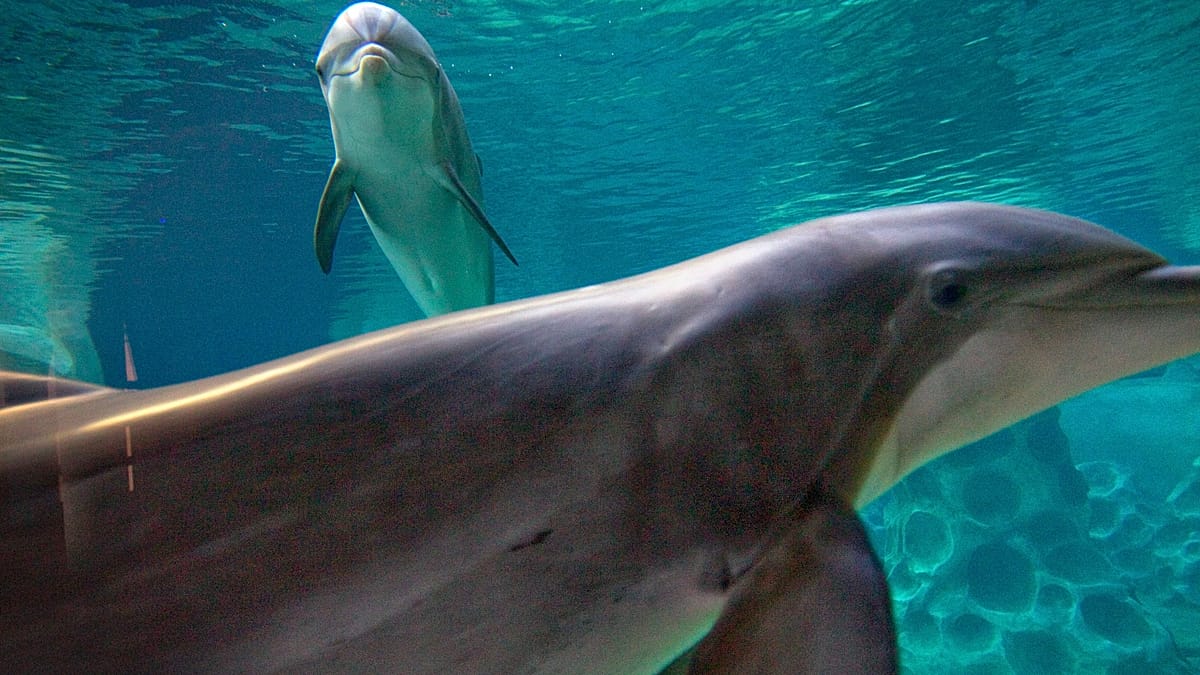
Google DeepMind developed DolphinGemma to analyze decades of recordings from Atlantic spotted dolphins to predict sound sequences. Meanwhile, Project CETI is using AI and underwater recording technology to study the complex click sequences, known as codas, used by sperm whales. While these tools can identify patterns in rhythm and tempo, scientists say translating these sounds into human language remains a long-term challenge because sounds must be interpreted alongside an animal's behavior and social context.
Researchers also warned that these technologies could be used to disrupt animal behavior or make them easier to capture. They expressed concerns that broadcasting AI-generated sounds could interfere with existing communication systems or that humans might incorrectly attribute emotions to animals based on flawed AI interpretations.
Selected and summarized by local AI How we work


