Spanish archaeologists unearth colorful 4,400-year-old tomb in Egypt
Summary and headline written by AI from the source article. How we work
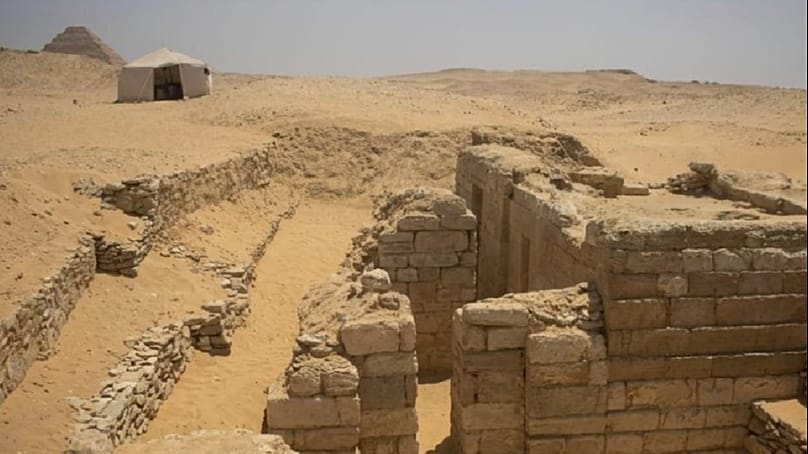
A Spanish-Egyptian team of archaeologists working in Saqqara, Egypt, discovered a 4,400-year-old tomb belonging to Yunmen, a high-ranking official, and his father, Iti.
The team, led by Spanish Egyptologist Josep Cervelló from the Autonomous University of Barcelona and in cooperation with Egypt's Supreme Council of Antiquities, found the tomb during summer excavations in the Mariette necropolis. The tomb dates to the late Fifth Dynasty of Egypt’s Old Kingdom (2494-2345 BC) and features two chapels decorated with remarkably well-preserved reliefs.
These scenes depict daily life, including agricultural activities and processions of offerings, and retain much of their original colour. The archaeologists noted the quality of the architrave and funerary texts, which were customized for the tomb’s owners. The discovery offers new insights into the art, architecture, and administration of ancient Egypt during the Fifth Dynasty.
Researchers believe the double tomb may demonstrate Yunmen’s rise in status, as he was the son of a provincial official who achieved a senior position within the central administration. The Saqqara necropolis has been known since the 19th century, but this particular mastaba had not been thoroughly studied until now, as the team aimed to understand how the area functioned as a working and ritual space.
The team hopes to excavate two more nearby mastabas indicated by their research in future seasons.