Uzbekistan modernises agriculture to boost exports and food security
Headline and summary by local AI
The Uzbekistan government is implementing new farming methods, irrigation systems, and digital technologies to increase crop yields and strengthen domestic food supplies.
Agriculture Minister Ibrokhim Abdurakhmonov stated that the country produces about 26 million tonnes of fruit and vegetables every year for 92 international markets. The government intends to increase food exports to 10 billion dollars by 2030 while reducing its reliance on imports for certain products like sugar and vegetable oil.
To increase output without expanding cultivated land, officials are focusing on scientific research and high-yield orchards. Abror Jo'rayev, Head of the Republican Horticulture Development Department, noted that using dwarf and semi-dwarf rootstocks allows farmers to achieve 30 to 35 tonnes of fruit per hectare, a major increase over traditional yields of 7 to 10 tonnes. The government supports these transitions by offering preferential loans of up to 120 million soums per hectare and annual maintenance subsidies for farmers.
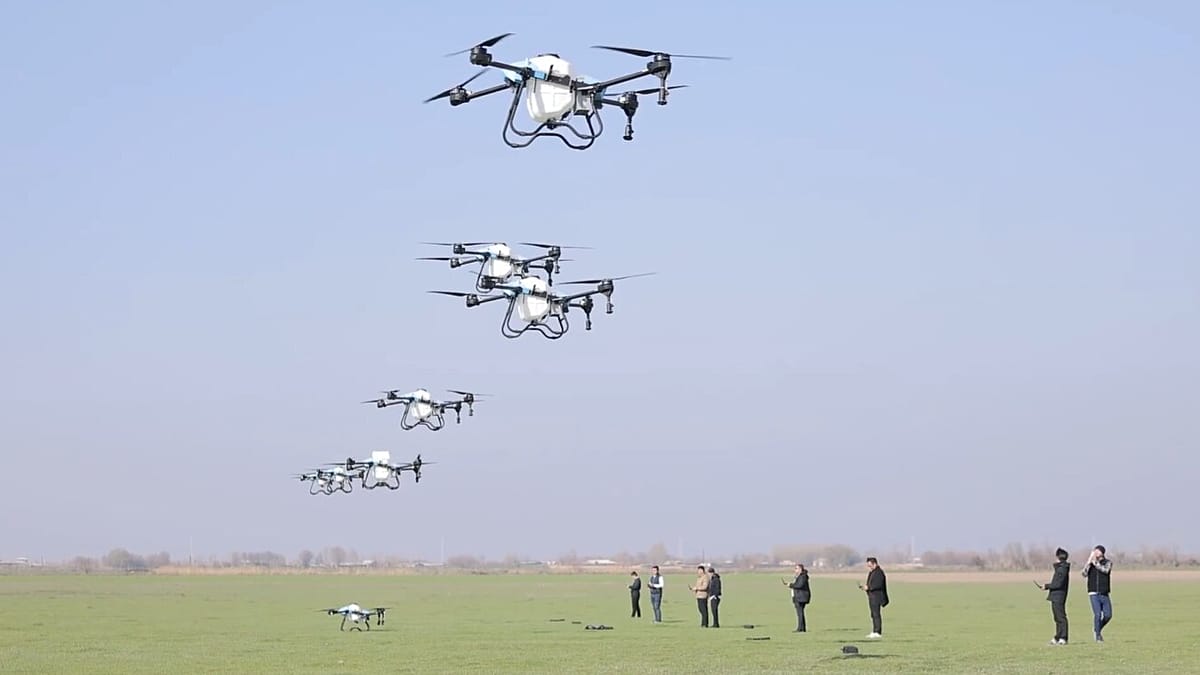
Water scarcity is a primary concern, as agriculture uses about 90% of the country's water. The World Bank approved a 200 million dollar project in May 2025 to modernise irrigation infrastructure across five regions to reduce annual water losses. Farmers are also adopting drip irrigation and using agricultural drones for monitoring and pest control. Additionally, the Global Green Growth Institute is helping local banks issue green bonds to fund climate-smart projects that address soil salinity and land degradation.
Selected and summarized by local AI How we work