Argentina Marks 50 Years of Dictatorship Memory Amidst Denialism
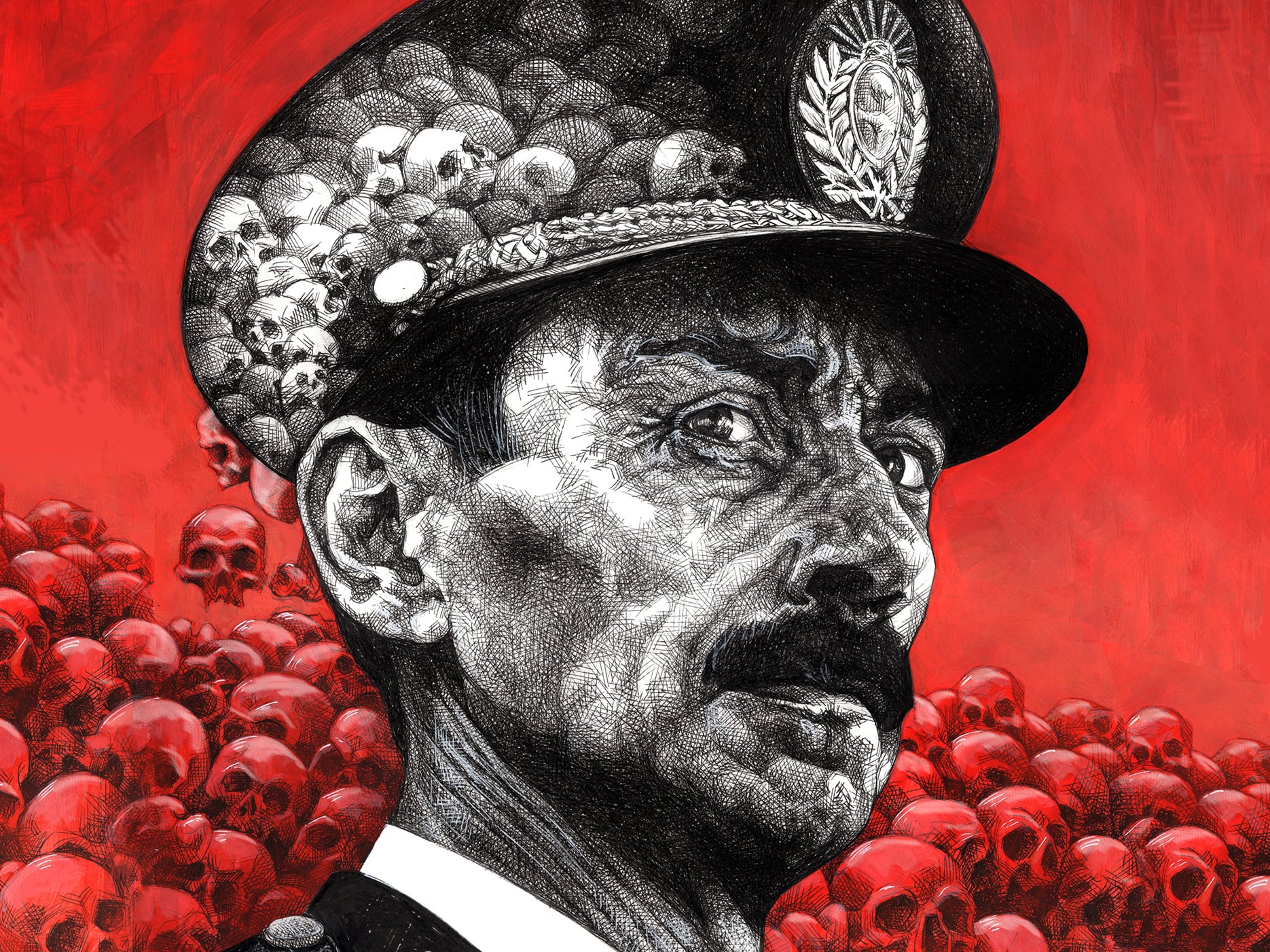
Why this is here: Cultural works have evolved from direct testimony and denunciation to incorporate irony and humor in processing the dictatorship's legacy, now facing renewed denialist discourse.
Argentina is marking the 50th anniversary of its 1976 military coup amid renewed challenges to historical memory.
The country faces a government that downplays state terrorism and promotes denialist discourse. Fifty years after the dictatorship, cultural and artistic works continue to process the legacy of genocide. These creations have evolved from testimony and denunciation to incorporate irony and humor.
Human rights groups like the Mothers of Plaza de Mayo pioneered public visibility tactics. Artists used photographs and symbolic silhouettes to represent the disappeared.
Literature and film initially relied on allegory to circumvent censorship. The "Nunca Más" report documented atrocities after democracy returned.
New generations of artists explore memory through humor and fantasy, critiquing official narratives. However, recent government cuts to human rights programs and obstruction of investigations threaten this process. Thousands are expected to march to commemorate the day and demand remembrance.