Neanderthals Ate Sea Mollusks 115,000 Years Ago
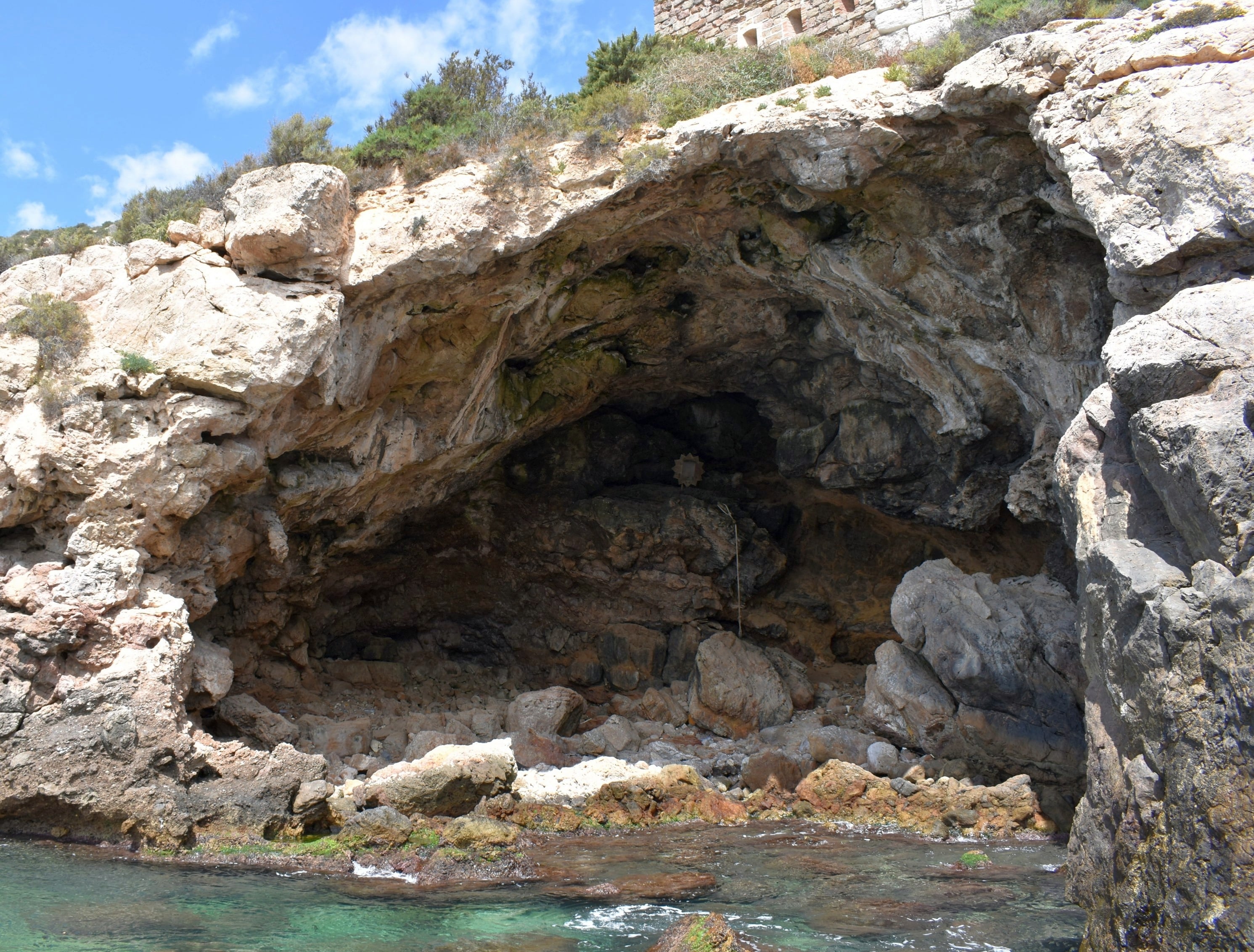
Why this is here: The researchers found that around 80% of Mediterranean periwinkles (Phorcus turbinatus) were consumed by Neanderthals between November and April.
Researchers at the University of Burgos in Spain determined Neanderthals consumed mollusks roughly 115,000 years ago, particularly during colder months. The team excavated the Cave of Los Aviones near Cartagena, Murcia, and analyzed shell remains. They found Neanderthals gathered limpets and snails using strategies similar to those of modern humans thousands of years later.
The study shows about 80% of Mediterranean periwinkles were collected from November to April. This timing likely minimized contamination risk and maximized flavor, as the mollusks’ reproductive cycles peak in colder months, increasing their nutritional value. Researchers also note Neanderthals may have moved to the coast in winter to avoid the cold and access food sources.
However, determining the exact reason for the seasonal pattern remains difficult. The cave itself is threatened by rising sea levels, potentially endangering future research. Work continues to understand Neanderthal diets and behaviors.
Surfaced by the Discovery lens — one of the vital signs ovr.news reads.
How we evaluated this
AI summary
read the original for the full story — Read on elpais.com . How we work →