Former East-West Border Becomes German Biodiversity Hotspot
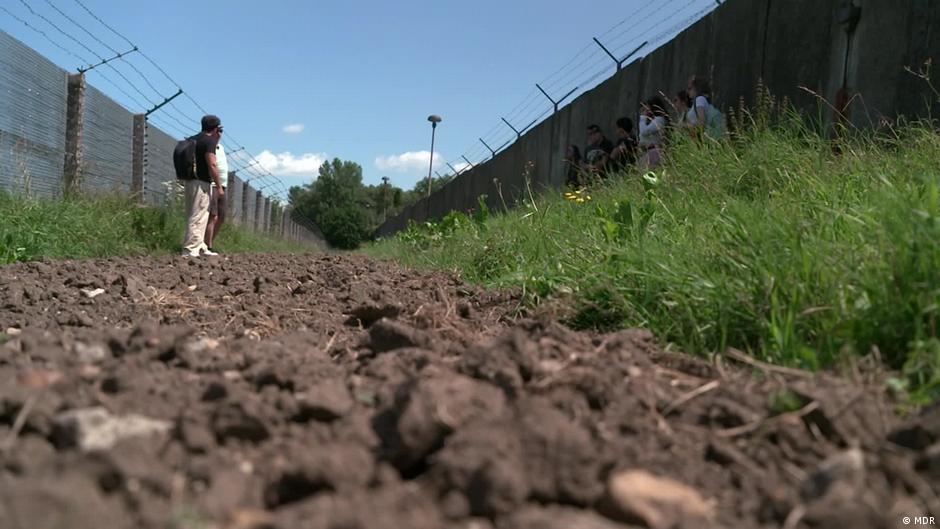
Germany’s Environment Ministry and journalists recently toured the “Green Belt”, a 1,400 kilometer stretch of land formerly dividing East and West Germany, now a thriving nature reserve. The area, once a heavily guarded border between NATO and the Warsaw Pact, remained largely untouched for decades, allowing rare species to flourish. Approximately 7,500 insect and spider species have been recorded within the Green Belt, including 580 endangered or threatened varieties.
The reserve also protects vulnerable animals like otters, European wildcats, and several bird species, as well as rare moorlands. The German Federation for the Environment and Nature Conservation (BUND) began acquiring land along the Green Belt in 2000 and currently manages 1,000 hectares.
Protecting the area from agricultural expansion remains a priority, with several German states committing to preserve a 95-kilometer section by 2028, funded in part by the Environment Ministry. The project demonstrates how former divisions can be repurposed for ecological benefit in the face of climate change.
Surfaced by the Thriving lens — one of the vital signs ovr.news reads.
How we evaluated this
AI summary
read the original for the full story — Read on dw.com . How we work →